Praise is a way to express enthusiastic approval, recognition, appreciation, admiration, or adoration. Effective praise is specific, sincere, and connected to something a person has done, a quality they show, or an influence they have on others.
As a general rule, the key to effective praise is to make it specific and deliver it immediately. A thoughtful compliment helps another person feel seen, communicates appreciation, promotes trust, and supports natural cooperation.
What Is Praise?
Praise is a sign of alertness. The person who praises God, praises others, praises creation and the beauty within it, and noble accomplishments, and kindness, mercy, and goodness-this is a person who is alert. When she is out and about, her radar is on. She notices things.
The person who praises doesn't merely approve or admire. He does do these things. But in classic praise he really gets into it. In the Bible, praise is the long way of spelling "Yes!" Believers know that God is great. They know that God is good, and naturally they want to say so.
Sometimes saying so doesn't seem good enough. Praise has to have an upsurge of enthusiasm in it. Widespread healthy praise is a preventative for the deadly sins of pride and envy. When we are full of praise we cannot also be full of arrogance and resentment of others' good fortune.
Praise, Adoration, Approval, and Recognition
Frequently, words of praise or adoration are exclamatory and can also be expressed in song, dance, art, or other expressions of praise or adoration. The word “praise” can describe both the words themselves and the act of expressing approval or admiration.
| Expression | Meaning |
|---|---|
| praise | to celebrate or proclaim the glory of |
| applaud | to declare enthusiastic approval |
| acclaim | to express strong public approval |
| bless | to invoke blessing or express reverence |
| hail | to greet or describe with enthusiastic approval |
| recognition | acknowledgment of achievement or value |
| salute | to honor or show respect |
| kudos | praise and approval for an achievement |
Related words include celebrate, applaud, acclaim, bless, hail, recognition, salute, and kudos. A compliment gives recognition to the other person. You really see the other person and you express your appreciation.
How to Write Effective Words of Praise
Be Specific
Praise tends to be even more effective when it describes a specific behavior, skill, or characteristic. This lets people know what they’re doing well so they can repeat it in the future.
Instead of using only a general phrase such as “Good job,” identify the action, effort, skill, or quality that deserves recognition. Specific praise makes the meaning clear and shows that you have paid attention.
- “Thank you for cooperating with each other.”
- “I appreciate it when you listen.”
- “You handled that problem really well.”
- “I’m impressed that you keep trying without giving up.”
- “I appreciate your positive attitude.”
Focus on the Positive
Effective praise focuses on the positive instead of bringing up a past problem. “Thank you for cooperating with each other” is more constructive than “It’s nice to see you two finally getting along.”
Positive wording keeps attention on the behavior or quality that should be encouraged. It avoids turning a compliment into a criticism or reminding someone of an earlier failure.
Be Sincere
Praise is most meaningful when it is said with enthusiasm and sincerity. Giving fake or overblown praise makes it meaningless and can weaken the effect of genuine praise.
Choose words that honestly match the situation. A short, sincere sentence is often more powerful than an exaggerated compliment that does not sound believable.
Give Praise Promptly
As always, the key to effective praise is to make it specific and deliver it immediately. Immediate praise connects the words directly to the action, achievement, or quality being recognized.
Giving intentional and appropriate praise is a vital part of raising confident, motivated, resilient children who grow up to be confident, capable, motivated adults who can think and talk positively about themselves and others.
Short Phrases for Praise
- Great job!
- That’s awesome.
- What a good idea.
- You did it!
- I can tell you’re trying hard.
- Thanks for your help.
- Nice work.
- Wonderful.
- You are wonderful.
- You figured it out.
- Marvelous.
- Bingo.
- Great try.
- A+ job.
- Nice work.
- I knew you could do it.
- Dynamite.
- Super job.
- You are sensational.
- Hip, hip, hurray.
- Now you are flying.
- That is the best.
- You are on target.
- Beautiful work.
- Magnificent.
- Wow.
- Fantastic job.
- You brighten my day.
- You are a treasure.
- You have discovered the secret.
- Bingo, you rock.
Phrases for Praising Effort and Persistence
- I can tell you’re trying hard.
- I can see how much effort you’re putting into that.
- You figured it out by yourself. Nice work.
- I’m impressed that you keep trying without giving up.
- You did it!
- Great try.
- I knew you could do it.
- Now you are flying.
- You are on target.
- That is the best.
Praise children’s efforts as well as achievements. Use praise to encourage small efforts that add up to bigger, lasting changes.
Phrases for Praising Kindness and Character
- You’re being really kind to your friends.
- I appreciate your positive attitude.
- You have the trait of bringing the best out of other people.
- You are very easy and nice to talk to.
- You can really listen.
- I really feel understood by you.
- Talking to you makes my day.
- I’m glad you told me how you’re feeling.
- I appreciate you because ….
- In my opinion, you are completely yourself!
- You are a treasure.
- You are wonderful.
- I love you just the way you are.
Phrases for Praising Help and Cooperation
- Thanks for your help.
- I appreciate it when you listen.
- Thank you for following directions.
- I appreciate your cooperation.
- Thank you for your extraordinary contribution!
- Our project stands out better together with you.
- I really enjoyed doing this with you.
- Because of you, I want to be a better person.
- Thank you for remembering to do your chores.
- Thanks for setting the table for the family.
- Good job putting everything in your backpack by yourself.
Phrases for Praising Ideas, Creativity, and Achievement
- What a good idea.
- That’s a good suggestion for a family rule.
- That picture/story is so creative.
- You handled that problem really well.
- You figured it out by yourself. Nice work.
- I’m so happy that you have that talent!
- You are the best thing that has happened to this office.
- Thank you for your extraordinary contribution!
- Our project stands out better together with you.
- That was a mature decision to do your homework before playing video games.
Phrases for Praising Appearance and Presence
- You look good.
- Your smile makes everyone’s day better.
- It’s your color!
- It looks good on you!
- In my opinion, you are completely yourself!
- You brighten my day.
Phrases for Personal Appreciation
- I am sincerely glad you are here today.
- I will never forget this.
- I wish I could do that as well as you.
- I liked that you at that time did ….
- I wouldn’t change anything about you at all.
- You are my hero.
- I appreciate you because ….
- I’m so happy that you have that talent!
- I really feel understood by you.
- I really enjoyed doing this with you.
- Because of you, I want to be a better person.
- You inspire me because ……
- You have the trait of bringing the best out of other people.
- You are very easy and nice to talk to.
- You can really listen.
- Talking to you makes my day.
Phrases for the Workplace
In our line of work, we often hear people describe two communication patterns they’ve noticed in the workplace: 1) they have a hard time saying positive things about themselves, and 2) they tend to hear more “constructive criticism” than genuine praise and positive feedback from their colleagues.
The combined effect of these patterns is often insecurity, fear of failure, misunderstandings, and conflict in the workplace. With a compliment, you become someone’s biggest fan.
- Thank you for your extraordinary contribution!
- I appreciate you because ….
- You are the best thing that has happened to this office.
- Our project stands out better together with you.
- You have the trait of bringing the best out of other people.
- You are very easy and nice to talk to.
- You can really listen.
- Talking to you makes my day.
- I really enjoyed doing this with you.
- You inspire me because ……
In the group: a special thanks to (name of person) for his/her effort because ….
Questions That Turn Praise into Conversation
- How did you succeed in this when it was so difficult?
- Have you ever noticed how patient God is with imperfect saints?
- Have you reflected on the extraordinary generosity Jim and Betty show to Betty's mom?
- Isn't she lovely?
- Wasn't it glorious?
Questions can make praise more personal because they invite the other person to reflect on their achievement, quality, or experience. “How did you succeed in this when it was so difficult?” recognizes both the result and the challenge involved.
Thirty Descriptive Phrases for Children and Teens
When used in combination with other positive parenting strategies, praise strengthens parent-child relationships and builds children’s confidence and self-esteem.
- Great job!
- That’s awesome.
- What a good idea.
- You did it!
- I can tell you’re trying hard.
- Thanks for your help.
- I appreciate it when you listen.
- Thank you for following directions.
- I appreciate your cooperation.
- You’re being really kind to your friends.
- Thank you for turning off the TV right away.
- I can see how much effort you’re putting into that.
- You handled that problem really well.
- Thanks for putting your things away.
- I like how you’re sharing with each other.
- You figured it out by yourself. Nice work.
- That picture/story is so creative.
- Good job getting ready on time this morning.
- Thank you for being patient at the store.
- I’m glad you told me how you’re feeling.
- I’m impressed that you keep trying without giving up.
- That’s a good suggestion for a family rule.
- Thank you for remembering to do your chores.
- I like how you’re using your indoor voice.
- You’ve gone to bed on time 3 days this week. Keep it up!
- Thanks for setting the table for the family.
- Good job putting everything in your backpack by yourself.
- That was a mature decision to do your homework before playing video games.
- I appreciate your positive attitude.
- I love you just the way you are.
Praise and Adoration in the Bible
We can praise God for the good things that God does for us. While we can write our own words, we can also use the models of praise and adoration that are found in the Bible and that have been used for generations.
- Exodus 15: “I will praise my God, who is my strength and might.”
- 1 Kings 8:23, 56-58: “There is no God like you.”
- 1 Chronicles 16:23-25: “Sing to the Lord, all the earth.”
- 1 Chronicles 29:10-14: David praised the Lord.
- Psalm 8:1-2: “O Lord, our Sovereign, how majestic is your name in all the earth!”
- Psalm 22:22: “In the midst of the congregation I will praise you.”
- Psalm 29:1-2: “Ascribe to the Lord the glory of his name.”
- Psalm 36:5-9: “Your steadfast love, O Lord, extends to the heavens.”
- Psalm 67:3-4: Let the nations be glad and sing for joy.
- Psalm 72:18-19: God does wondrous things.
- Psalm 92:1-5, 8: It is good to sing praises to the Lord.
- Psalm 97:12: Praise God's holy name.
- Psalm 145:1, 3: No one can fathom God's greatness.
- Psalm 150: Praise God in his sanctuary.
- Jeremiah 20:13: Praise the Lord, for he has delivered the life of the needy.
- Daniel 2:20: “Blessed be the name of God.”
- Luke 1:46-49: Mary’s Magnificat.
- Romans 11:33-36: Doxology.
- Ephesians 1:3-18: Praise for spiritual blessings in Christ.
- Ephesians 5:18-19: Sing psalms and hymns and spiritual songs.
- Revelation 4:10-11: The twenty-four elders fall before the one on the throne.
- Revelation 5:9-13: Praise before the throne of God.
Why Praise Is Often Expressed in Song
The people of God have always sung their praise. And we know why! Enthusiasm makes you want to raise your voice. Enthusiasm is always looking for a tune.
So the psalms are songs. The psalter is the church's songbook. Some of the faith and praise in the psalms come from believers who have “calmed and quieted” their souls “like a weaned child with its mother” (Psalm 131:2).
Quiet, thoughtful praise and thanks are always available to the believer and welcome to God. That's why in some Christian liturgies there are spaces occupied by silence-a silence that is not repressive, but pregnant with possibility and promise.
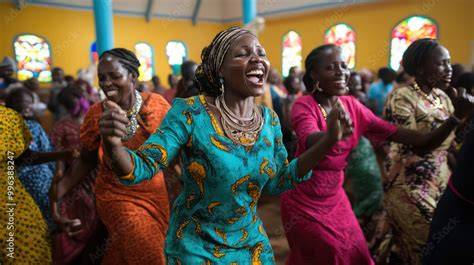
But, judging by Psalm 150 and other scriptures, singing to the Lord can at other times get a little rowdy. Lute and harp are dulcet enough. But then the trumpeters sound off. People start to bang their tambourines.
People “praise God with clanging cymbals; praise him with loud clashing cymbals!” They start to dance. It's as if the psalmist is crying out, “Sing, blow, shout, bang, pluck. Raise the roof. Make a ruckus.”
Praise Includes Many Moods of Faith
But authentic worship of God isn't just praise. Some psalms, such as Psalm 51, are confessions of sin. Many of the psalms are laments. People cry to God from distress, turmoil, trouble.
“Why, O God?” “When, O God?” “How long, O God?” The psalms model for us the moods and postures of faith. “All praise, all the time” worship is missing this biblical richness.
Importantly, worship that ignores the sin and distress of God's people fails to square up with reality. Remarkably, almost all the lament psalms eventually resolve into praise, and they do so because the word of praise is not only the first word of faith, but also the last.
It may seem as if God has gone off duty. It may seem as if God has moved and not left a forwarding address. But the person of faith cannot give up. As Peter said to Jesus, “To whom [else] can we go?” (John 6:68).
Even the disquieted soul hopes in God and predicts that one day “I shall again praise him, my help and my God” (Psalm 42:11).
What Believers Praise God For
Of course God is to be praised for wisdom, power, and glory, which in scripture is a kind of weighty light that surrounds God. But notice that God's justice weighs a lot as a reason to praise, and especially God's salvation.
God straightens out Jacob son of Isaac-one of the shiftiest men in the Bible, a real wheeler-dealer. Forever after, God is known as “the God of Jacob.” This is a God with grace for the shiftiest and a knack for making them whole.
And not just Jacob: “God so loved the world that he gave his only Son. God did not send the Son into the world to condemn the world, but in order that the world might be saved through him” (John 3:16-17). No repetition of these verses can diminish their wallops. They alone give us endless motive for praising God.
Praise as Alertness and Attention
She notices things. She reads scripture, or hears it, and she picks up on qualities of God she hadn't noticed before. A friend pays a compliment to another friend and reveals by the high quality of the compliment that she has spotted something not everyone would.
She notes that woodpeckers call and respond to each other. She sees that in gusty rainstorms the trees really do look as if they are clapping their hands.
Moreover, the alert person who has a light trigger for praising also is quick to call attention to excellence.
- “Have you ever noticed how patient God is with imperfect saints?”
- “Have you reflected on the extraordinary generosity Jim and Betty show to Betty's mom?”
- “Look! Three porpoises are breaching and diving alongside our boat! They're perfectly lined up and they're keeping pace! Amazing!”
Praise as an Enthusiastic “Yes”
Sometime in the last several decades North Americans adopted the habit of expressing their approval by simply saying “Yes!” Actually, they don't just say “yes”; they exclaim it.
- Your team kicks a winning goal: “Yes!”
- Your paper wins your professor's approval: “Yes!”
- Your spouse graduates from cooking school: “Yes!”
Believers know that God is great. They know that God is good, and naturally they want to say so. So when God redeems Israel out of Egypt, Moses and Miriam sing their praise.
You can't just say your praise; you have to sing to the Lord! And they didn't just sing. They danced too. And they didn't just sing and dance. They played their timbrels too. Their innards were roiling with excitement, and it had to get out!
Praise in Everyday Life
Good people make the world ring with praise. In his Reflections on the Psalms, C. S. Lewis remarks that good people make the world ring with praise-not only praise of God in public worship, but also of landscapes, music, friends, children, noble deeds, flowers, mountains.
Praising is part of what God has designed good people to do: to notice, appreciate, laud, applaud. “Cranks, misfits, and malcontents” hardly praise at all. Good folks praise all the time, because praise is part of expressing their health.
In fact, praise is “inner health made audible” (C. S. Lewis, Reflections on the Psalms, New York: Harcourt, Brace, & World, 1958, 94).
Moreover, if we celebrate excellence in God, in other people, in all creation, we will be celebrating all the time. And celebration dissipates anxiety and depression.
Giving a compliment lowers stress and tension. I would almost forget: giving a compliment is fun to do and it lowers stress and tension in yourself.
Why Praise Strengthens Relationships
Hearing positive, encouraging words can be food for the soul, and it seems like we should be giving each other more praise versus less, starting with children.
With a compliment, you give recognition to the other person. You really see the other person and you express your appreciation. It promotes trust and natural cooperation.
Great idea, of course, to give each other more compliments. It is the engine under all cooperation between colleagues.
Lewis adds that those who praise want others to join in. “Isn't she lovely?” “Wasn't it glorious?” The psalmists constantly tell others to “praise the Lord” (“Allelujah” in Hebrew).
What the psalmists are after is not just their own praise, but a chorus of praise, a chorus of witnesses. My praise is amplified, augmented, completed when you join in.
Inviting Others to Join in Praise
In fact, the psalmists sometimes can hardly contain themselves when calling for praise. So in Psalm 98, the psalmist begins by calling to his first audience-probably the temple people-to “sing to the Lord a new song.”
Then he calls to all the peoples of the earth: “Make a joyful noise to the Lord, all the earth” (Psalm 98:4). Then he calls to all nature to join the celebration of God's reign: “Let the sea roar. Let the floods clap their hands; let the hills sing together for joy” (Psalm 98:7-8).
To think of everything-all peoples, places, and things-singing and shouting for joy to the Lord is an extraordinary thought, and a true anticipation of some of the wonders in the new heaven and earth.
CityWorship: Praise // Germaine Chua @City Harvest Church
Praise as a Shared Celebration
It's not just that we will finally have peace and justice. We will also have eternal delights marked by music and acclamation as people join their voices to each other and to all nature, which sings and rings with joy, even the trees and the wolves and the lambs taking part, each in their own particular way.
Children shouting in astonishment, dogs barking, ducks quacking, birds calling, whales singing, elephants trumpeting, lions roaring, horses whinnying-every creature, great and small, adding its unique voice. This is a celebration not to be missed.
Practical Principles for Using Praise
- Give praise and encouragement every day.
- Use praise to encourage small efforts that add up to bigger, lasting changes.
- Praise efforts as well as achievements.
- Describe a specific behavior, skill, or characteristic.
- Focus on the positive.
- Speak with enthusiasm and sincerity.
- Deliver praise immediately.
- Personalize your compliment for your situation.
- Be inspired, don’t be stingy with your compliments.
My personal top 5 of compliment giving are: I appreciate you because …. In my opinion, you are completely yourself! You inspire me because …… I really feel understood by you. To do this with you I really enjoyed.