“Be not deceived; God is not mocked: for whatsoever a man soweth, that shall he also reap” (Galatians 6:7, KJV). The verse teaches that human choices have consequences: what a person deliberately plants through conduct, priorities, words, and spiritual direction will eventually produce a corresponding harvest.
The principle is explained in the next verses: “For he that soweth to his flesh shall of the flesh reap corruption; but he that soweth to the Spirit shall of the Spirit reap life everlasting” (Galatians 6:8). The passage also gives encouragement to continue doing what is right: “And let us not be weary in well doing: for in due season we shall reap, if we faint not” (Galatians 6:9).
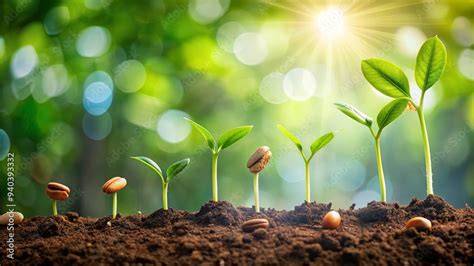
Galatians 6:7 KJV
“Be not deceived; God is not mocked: for whatsoever a man soweth, that shall he also reap.”
Galatians 6:7 is the central Bible verse associated with the expression “you reap what you sow.” The practice of working the ground to gain a harvest is nearly as old as humanity itself. The principle of sowing and reaping is common throughout the Bible, because it is something that humanity can relate to.
As a general principle, it is true that sowing leads to reaping. It’s true in agriculture and it’s true in life choices. So, “you reap what you sow” is biblical.
What “You Reap What You Sow” Means
In farming, a harvest depends on the seed that is planted. A person who plants wheat does not expect to harvest cotton, and a person who plants thorns does not expect to gather good grain. Galatians 6 uses this familiar agricultural picture to describe the moral and spiritual direction of a person’s life.
“Sowing” refers to the choices, actions, attitudes, desires, and habits that a person repeatedly places into life. “Reaping” refers to the consequences and results that follow. The verse therefore warns against self-deception: a person cannot treat sin as harmless, mock God’s justice, or assume that actions have no lasting significance.
The expression does not mean that every event can be explained by a simple formula, or that every suffering person is being punished for a particular sin. The principle of reaping and sowing is generally true, but not always at work in every situation in the way we might expect.
Galatians 6:7-9 KJV
7 Be not deceived; God is not mocked: for whatsoever a man soweth, that shall he also reap.
8 For he that soweth to his flesh shall of the flesh reap corruption; but he that soweth to the Spirit shall of the Spirit reap life everlasting.
9 And let us not be weary in well doing: for in due season we shall reap, if we faint not.
These three verses present the complete movement of the teaching. Verse 7 states the principle, verse 8 identifies two opposing kinds of seed, and verse 9 urges perseverance because the harvest may come “in due season” rather than immediately.
“God Is Not Mocked”
The words “God is not mocked” emphasize that God’s moral order cannot be permanently ridiculed or ignored. A person may appear to escape consequences for a time, but delay is not the same as cancellation. The absence of an immediate harvest does not prove that the seed was harmless.
The warning also concerns deception. Galatians 6:7 begins, “Be not deceived.” People can deceive themselves by calling evil good, assuming that private actions do not matter, trusting in outward appearance, or believing that religious language can replace obedience. God sees the heart and evaluates the fruit of a person’s ways.
“I the Lord search the heart, I try the reins, even to give every man according to his ways, and according to the fruit of his doings” (Jeremiah 17:10, KJV).
Sowing to the Flesh
Galatians 6:8 says, “For he that soweth to his flesh shall of the flesh reap corruption.” In this context, “the flesh” describes human life organized around sinful desire, self-rule, pride, selfishness, and dependence on personal ability apart from God.
When we are selfish, proud, unjust, sinful, and trusting in our own ability or worth to save us, we are “sowing to the flesh,” and destruction awaits. Sowing to the flesh, depending on ourselves and our ability to find our own way without God’s help, will reap nothing but a dead end.
Galatians describes the danger in practical terms: “For he that soweth to his flesh shall of the flesh reap corruption.” The harvest may include damaged relationships, bondage to sinful habits, shame, spiritual emptiness, and final ruin. “His own iniquities shall take the wicked himself, and he shall be holden with the cords of his sins” (Proverbs 5:22, KJV).
- Selfishness plants seeds that damage fellowship.
- Pride plants seeds that lead toward a fall.
- Dishonesty plants seeds that destroy trust.
- Resentment plants seeds of bitterness.
- Unforgiveness plants seeds that keep old injuries alive.
- Persistent sin plants seeds that produce spiritual corruption.
“Pride goeth before destruction, and an haughty spirit before a fall” (Proverbs 16:18, KJV). “Therefore shall they eat of the fruit of their own way, and be filled with their own devices” (Proverbs 1:31, KJV).
Sowing to the Spirit
Galatians 6:8 gives the alternative: “But he that soweth to the Spirit shall of the Spirit reap life everlasting.” Sowing to the Spirit means turning toward God in faith, obedience, humility, love, generosity, prayer, and dependence upon His provision and salvation.
When we are selfless, generous, kind, and depending on God’s provision and salvation, we are “sowing to the Spirit” and will reap eternal life. Faith in Jesus and the pursuit of godliness is “sowing to the Spirit.”
The spiritual harvest is not earned as a human achievement. “For by grace are ye saved through faith; and that not of yourselves: it is the gift of God: not of works, lest any man should boast” (Ephesians 2:8-9, KJV). The principle of sowing and reaping must therefore be understood alongside God’s grace, mercy, and salvation in Christ.
“But now being made free from sin, and become servants to God, ye have your fruit unto holiness, and the end everlasting life” (Romans 6:22, KJV).
The Difference Between the Flesh and the Spirit
| Direction | What is planted | Harvest described in Scripture |
|---|---|---|
| Sowing to the flesh | Selfishness, pride, sin, and dependence on oneself apart from God | Corruption |
| Sowing to the Spirit | Faith, obedience, love, generosity, humility, and dependence on God | Life everlasting |
| Continuing in well doing | Faithful perseverance | Reaping “in due season” |
The contrast is not merely between good and bad habits. It is a contrast between two governing powers and two ways of living. One direction centers life on the flesh; the other turns life toward the Spirit and the purposes of God.
Related KJV Verses About Sowing and Reaping
2 Corinthians 9:6
“But this I say, He which soweth sparingly shall reap also sparingly; and he which soweth bountifully shall reap also bountifully.”
This verse applies the principle particularly to generosity. It does not present generosity as a means of manipulating God, but it teaches that the measure and spirit of a person’s giving matter. A closed hand and a generous heart produce different kinds of spiritual consequences.
Hosea 10:12-13
“Sow to yourselves in righteousness, reap in mercy; break up your fallow ground: for it is time to seek the Lord, till he come and rain righteousness upon you.”
“Ye have plowed wickedness, ye have reaped iniquity; ye have eaten the fruit of lies: because thou didst trust in thy way, in the multitude of thy mighty men.”
Hosea places two harvests side by side. Righteousness is connected with mercy, while wickedness produces iniquity. The passage also calls people to seek the Lord and to break up their “fallow ground,” presenting repentance as a necessary turning of the heart.
Hosea 8:7
“For they have sown the wind, and they shall reap the whirlwind: it hath no stalk; the bud shall yield no meal: if so be it yield, the strangers shall swallow it up.”
The image of sowing the wind and reaping the whirlwind describes the disproportionate destruction that can grow from apparently empty or careless choices. What begins as something that seems insubstantial can develop into a devastating harvest.
Job 4:8
“Even as I have seen, they that plow iniquity, and sow wickedness, reap the same.”
This verse states the general principle directly. However, Job’s story also warns against applying the principle simplistically. When Job was suffering, his friends considered the trouble as a just punishment from God for some secret sin. Job’s friend Eliphaz said: “As I have observed, those who plow evil and those who sow trouble reap it” (Job 4:8).
But Eliphaz was wrong. Job was not reaping what he had sown. The harvest had not come yet-and it would not come until the end of the book (Job 42:10-17). Experiencing negative circumstances does not necessarily mean we have sown negative things.
Psalm 126:5
“They that sow in tears shall reap in joy.”
This verse recognizes that faithful sowing can involve grief, sacrifice, patience, and tears. A difficult season does not mean that faithful work is fruitless. God can bring joy from a season in which a person has continued to trust and obey amid sorrow.
Ecclesiastes 11:4-6
“He that observeth the wind shall not sow; and he that regardeth the clouds shall not reap.”
“As thou knowest not what is the way of the spirit, nor how the bones do grow in the womb of her that is with child: even so thou knowest not the works of God who maketh all.”
“In the morning sow thy seed, and in the evening withhold not thine hand: for thou knowest not whether shall prosper, either this …”
Ecclesiastes emphasizes that uncertainty should not become an excuse for inactivity. Human beings do not understand all the works of God, but they are still called to sow faithfully rather than waiting for perfect conditions.
Proverbs 11:18 and Proverbs 11:25
“The wicked worketh a deceitful work: but to him that soweth righteousness shall be a sure reward” (Proverbs 11:18, KJV).
“The liberal soul shall be made fat: and he that watereth shall be watered also himself” (Proverbs 11:25, KJV).
These verses connect righteousness, generosity, and blessing. They describe a moral order in which the person who gives life, refreshment, and goodness is not forgotten by God.
James 3:18
“And the fruit of righteousness is sown in peace of them that make peace.”
Peace is not merely the absence of conflict. James presents peacemakers as people who plant the conditions in which righteous fruit can grow. Their actions contribute to reconciliation, stability, and spiritual fruitfulness.
Luke 6:38
“Give, and it shall be given unto you; good measure, pressed down, and shaken together, and running over, shall men give into your bosom. For with the same measure that ye mete withal it shall be measured to you again.”
Jesus connects the measure a person uses toward others with the measure that will be used toward that person. The teaching calls for generosity, mercy, and careful judgment in human relationships.
Proverbs 22:8
“He that soweth iniquity shall reap vanity: and the rod of his anger shall fail.”
The verse warns that injustice is not productive in the end. A person may appear to gain through anger or wrongdoing, but the result is emptiness and failure.
Words Are Seeds
The principle of sowing and reaping also applies to speech. “Death and life are in the power of the tongue: and they that love it shall eat the fruit thereof.” Words can strengthen or destroy, encourage or discourage, heal or inflame.
A person who repeatedly sows accusation, hatred, complaint, and falsehood should not be surprised when relationships become marked by distrust and conflict. A person who sows truth, kindness, patience, and encouragement contributes to a different kind of harvest.
“And he said unto them, Take heed what ye hear: with what measure ye mete, it shall be measured to you; and unto you that hear shall more be given” (Mark 4:24, KJV).
Sowing in Families and Children
The principle has particular importance in family life. Parents plant seeds through what they teach, model, permit, correct, and practice. Children observe how adults treat people, respond to difficulty, use words, handle responsibility, and honor God.
Love, discipline, truth, prayer, gratitude, respect, and consistent instruction can shape a household’s spiritual atmosphere. “It enables parents to give their children godly discipline and to raise them the right way, the Bible way.”
“What kind of seed do you sow in your children?” The question concerns more than formal instruction. It includes everyday habits and the example that children see repeated over time.
- Teach children to obey and do the right things.
- Teach them to respect their elders and not to interrupt others.
- Teach them to treat people rightly and to develop good character.
- Correct them when they are wrong.
- Teach them to respect God and His Word.
- Let them see gratitude, prayer, love, peace, joy, and kindness practiced at home.
“Don’t let your children get away with doing wrong. Teach them to obey and do the right things and to never disgrace or dishonor their family name.”
“Warn them to never bring reproach upon their parents or any other member of their family.”
When children grow up, the training they have received continues to influence the way they treat other people. “But when you have the right kind of training, you can leave the nest and bless other people.”
Love as Good Seed
“I make it a daily practice to sow seeds of love, and we must all do that in order to reap a wonderful love harvest.” Love affects marriages, families, friendships, and communities.
“Love is the answer for everything; it makes good marriages, keeps families together and brings happiness to all.” Love is not presented as mere sentiment, but as a practical way of treating people with patience, mercy, truth, and responsibility.
Seeds of love will do wonders for a child, and I was taught love. Good, old-time preachers and Sunday school teachers ministered love, peace, joy and happiness to the children of God because they believed in keeping God’s saints happy!
Prayer, Scripture, and Spiritual Sowing
Galatians 6:8 makes clear that spiritual harvest requires spiritual sowing. Prayer, Scripture, worship, obedience, and fellowship with God are not empty religious activities; they are ways of directing life toward the Spirit.
If you get careless and cut back on your prayer time, study of the Word or Bible fasting, you’ll plant the wrong kind of seed. Spiritual neglect can gradually change a person’s desires, attention, and priorities.
“Man shall not live by bread alone, but by every word that proceedeth out of the mouth of God” (Matthew 4:4, KJV). Spiritual food is even more important than physical food.
“Now the just shall live by faith: but if any man draw back, my soul shall have no pleasure in him” (Hebrews 10:38, KJV). Faith is a daily direction of life, not merely a single past decision.
“The seed you sow today will bring a harvest tomorrow, but the kind of harvest depends on what you take time to sow.”
Faith Instead of Fear and Depression
The teaching also contrasts seeds of faith with seeds of depression, fear, and anxiety. A person’s repeated focus can affect the spiritual and emotional direction of life, although every struggle should be treated with compassion and not reduced to a simplistic accusation of personal failure.
“Some of you are sowing seeds of depression rather than sowing seeds of faith, and you’re not reaping a good harvest.” The biblical call is to bring burdens to God rather than allowing fear to govern the heart.
“Come unto me, all ye that labour and are heavy laden, and I will give you rest” (Matthew 11:28, KJV). “Be careful for nothing; but in every thing by prayer and supplication with thanksgiving let your requests be made known unto God” (Philippians 4:6, KJV).
Faith does not mean pretending that suffering, illness, grief, or hardship do not exist. It means turning to God in the midst of them, trusting His care, and refusing to make despair the final authority over life.
Trusting God With Burdens
“Stop trying to do everything yourself.” The biblical response to need is humble dependence upon God rather than confidence in personal strength alone.
“For your Father knoweth what things ye have need of, before ye ask him” (Matthew 6:8, KJV). God knows human needs, yet He still invites people to bring those needs to Him in prayer.
“But He wants us to humble ourselves and ask; He wants us to bring our needs before Him.” Prayer expresses dependence, thanksgiving, trust, and willingness to leave the outcome in God’s hands.
“I simply go before God saying, Lord, I’m putting this under the blood, and I’m leaving it with you.”
“Then I go on my way praising and glorifying His name; and I know that in His time, the answer will come.”
Do Not Sow Hate and Resentment
Galatians 6:7 applies to the inner life as well as outward behavior. “If you sow seeds of hate, then that’s what you’ll reap; if you sow seeds of resentment and unforgiveness, those are what you’ll reap.” Hatred can become a continuing harvest of anger, unrest, suspicion, and bondage.
The alternative is to place judgment and vengeance in God’s hands. “Vengeance is mine; I will repay, saith the Lord” (Romans 12:19, KJV).
Forgiveness does not call evil good or remove the need for justice. It does release the demand to personally repay every wrong and allows a person to pursue peace rather than continually cultivating resentment.
“Give God a chance. Don’t let your enemies cause you to walk the floor or lose sleep.”
“But when you sow to the Spirit, the Lord will enable you to sleep in peace.”
Perseverance and the Timing of the Harvest
Galatians 6:9 says, “And let us not be weary in well doing: for in due season we shall reap, if we faint not.” This verse acknowledges that doing good can become exhausting. The promised harvest may not appear quickly, visibly, or in the form a person expects.
The phrase “in due season” teaches patience. A farmer sows before seeing the crop, and a believer may need to continue in faith before seeing the result. The delay is a test of perseverance, not proof that obedience is pointless.
Ecclesiastes gives a similar encouragement: “He that observeth the wind shall not sow; and he that regardeth the clouds shall not reap.” Waiting for perfect circumstances can prevent a person from ever beginning the work God has placed before him.
“In the morning sow thy seed, and in the evening withhold not thine hand.” Faithfulness requires continuing to plant what is good even when the final outcome remains unknown.
Does the Bible Teach That You Always Reap Exactly What You Sow?
Yes, the Bible teaches sowing and reaping as a genuine moral and spiritual principle, but it does not teach that every individual circumstance can be interpreted mechanically. A person may suffer without having committed the specific wrong that others imagine.
Job’s experience is an important warning. His friends assumed that his suffering proved he had sown evil, but their conclusion was false. “Job was not reaping what he had sown.”
Likewise, faithful people may experience hardship, persecution, sickness, loss, or disappointment. Negative circumstances do not necessarily mean that a person has planted negative seed. The Bible calls believers to discernment, compassion, and humility rather than quick judgment.
Jesus also taught that God’s common kindness reaches both the righteous and the unrighteous: “For he maketh his sun to rise on the evil and on the good, and sendeth rain on the just and on the unjust” (Matthew 5:45, KJV).
Mercy and the Gospel
There is also mercy. Graciously, we do not always reap what we sow. God reserves the right to show mercy on whomever He will, as He said to Moses, “I will have mercy on whom I have mercy, and I will have compassion on whom I have compassion” (Romans 9:15, KJV).
It is because of the mercy and compassion of God that we can have a home in heaven, despite our sin. We sowed iniquity and corruption, and Jesus reaped our punishment on the cross. May He be praised forever.
“For God so loved the world, that he gave his only begotten Son, that whosoever believeth in him should not perish, but have everlasting life” (John 3:16, KJV).
“For God sent not his Son into the world to condemn the world; but that the world through him might be saved” (John 3:17, KJV).
The doctrine of sowing and reaping must never be separated from the gospel of grace. Galatians 6 warns people not to sow to the flesh, but salvation is not purchased by human merit. Eternal life is God’s gift through faith in Jesus Christ.
Christ as the Pattern for Spiritual Sowing
“Jesus brought only the right kind of seed, and He never sowed to the flesh.” He embodied obedience, truth, love, humility, mercy, and complete devotion to the Father.
“And the Word was made flesh, and dwelt among us, (and we beheld his glory, the glory as of the only begotten of the Father,) full of grace and truth” (John 1:14, KJV).
“They that are Christ’s have crucified the flesh with the affections and lusts” (Galatians 5:24, KJV). To sow to the Spirit is to turn away from the rule of sinful desire and to follow Christ in the new and living way He has provided.
“Having therefore, brethren, boldness to enter into the holiest by the blood of Jesus, By a new and living way, which he hath consecrated for us, through the veil, that is to say, his flesh” (Hebrews 10:19-20, KJV).
Practical Questions for Examining What You Sow
Galatians 6:7 invites honest self-examination. A person can ask what direction is being reinforced by daily decisions and what kind of harvest those decisions are likely to produce.
- What desires are receiving the most attention?
- Are your habits directing you toward the flesh or toward the Spirit?
- What kind of words are you repeatedly speaking?
- Are you sowing love, truth, patience, and forgiveness?
- Are you cultivating resentment, pride, fear, or dishonesty?
- Are you giving regular time to prayer and the Word of God?
- What are your children learning from your example?
- Are you trusting God or attempting to carry every burden alone?
- Are you continuing in well doing even when the harvest is delayed?
- Are you allowing God’s mercy to lead you to repentance and faith?
Galatians 6:3 gives a related warning: “For if a man think himself to be something, when he is nothing, he deceiveth himself.” Humility is necessary because self-deception can hide the seeds a person is actually planting.
Galatians 6:4 adds, “But let every man prove his own work, and then shall he have rejoicing in himself alone, and not in another.” The focus is on examining one’s own life rather than using the principle to condemn other people.
Living Out the Principle of Sowing and Reaping
“Be careful what kind of seed you sow because the Word of God promises that you will reap what you sow.” The warning is also an invitation: a person can begin planting different seed today.
Sow righteousness by seeking the Lord. Sow faith by trusting His Word. Sow love by treating others with patience and mercy. Sow peace by refusing needless strife. Sow generosity by giving freely. Sow truth by rejecting deception. Sow perseverance by continuing in well doing.
“Bear ye one another’s burdens, and so fulfil the law of Christ” (Galatians 6:2, KJV). Bearing another person’s burden is itself an example of sowing to the Spirit.
“For the fruit of righteousness is sown in peace of them that make peace.”
“And let us not be weary in well doing: for in due season we shall reap, if we faint not.”