Prayer plants are generally easy to care for when their basic needs are met, but they are not as forgiving as a ZZ plant or snake plant. They do not require much daily fussing, however they do like consistently warm temperatures and high humidity levels - try to imitate this tropical rainforest vibe, and your prayer plant will do just fine.
Prayer plant is somewhat tolerant of different growing conditions. When provided optimal growing conditions, care is minimaland easier when following basic how to grow prayer plant guidelines. The key is to provide medium to bright indirect light, evenly moist but well-draining soil, warmth, and adequate humidity.
What Is a Prayer Plant?
‘Prayer plant’ is a colloquial term that refers to members of genus Maranta, to which genus Calathea is closely-related. In reality, both are considered to be ‘prayer plants.’ The common name is shared by several types of prayer plants in the Marantaceae family, including Calathea, Maranta, Ctenanthe and Stromanthe.
It should be noted that "prayer plant" is often used as an all-encompassing common name for several different genuses of plants, including Calathea spp., Stromanthe spp., and this one described here (Maranta spp.). They are all members of the Marantaceae family, but entirely separate genuses - in simple terms, these plants are all related, but different!
Prayer plants (Maranta leuconeura) are primarily native to the tropics of South America, where they flourish on the rainforest floor. Maranta plants are native to Central and South America, where they grow as little shrubs creeping along the ground in tropical forests as part of the undergrowth.
Maranta is the type-genus of Marantaceae, and is named in honor of Bartolomeo Maranta, an Italian physician and botanist of the 16th century who organized his knowledge of botanical pharmacology by nomenclature, species identification and medicinal properties.
Why Are They Called Prayer Plants?
Named for the manner in which their leaves fold together in the evening (a physiological response known as "nyctinasty"), prayer plants are a favorite amongst plant parents of all abilities. The name comes from the tendency of plants in this family to droop, or ‘pray’ at night.
Prayer plant (Calathea) is a popular indoor houseplant grown for the striking foliage, which occurs in a wide range of patterns, colors and shapes. This tropical houseplant is native to rainforests of South America, is named for the foliage that folds upwards at night, resembling praying hands.
Maranta, like its sister Calathea, moves its leaves from a flat to a curled “prayer” position through a process called nyctinasty as moisture evaporates throughout the day. The leaves lie flat during the day to soak up the sun, then point their ends up at night to resemble arms held in prayer.
How Difficult Are Prayer Plants to Keep Alive?
Prayer plants can be fussy, but in no way impossible. My relationship with Prayer plants has been complicated. There’s definitely been low points, but that was my own fault, I didn’t take the time to learn how to make sure they were happy.
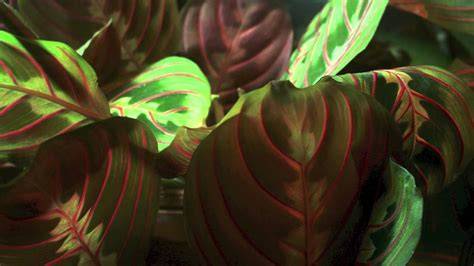
If you want a plant that is easy to care for and won’t die suddenly after one bad week, the prayer plant is for you. The one in the photo is over ten years old. Many plants would be dead with that amount of neglect.
Prayer plants don't require much daily fussing, however they do like consistently warm temperatures and high humidity levels - try to imitate this tropical rainforest vibe, and your prayer plant will do just fine. From my experience prayer plants can be fussy, but in no way impossible.
Once the balance is figured out I don’t feel that they demand too much. I think they are worth the time and effort. With a humidifier and distilled water they’ve done pretty well for me.
Light Requirements
Prayer plants thrive in medium to low indirect light. In their native habitat, prayer plants receive dappled sunlight filtering down through the tree canopy. Maranta enjoys low to medium light and can survive in partial shade to mimic being under a rainforest canopy.
Provide medium to bright indirect light from an east- or west-facing window. Avoid direct sunlight, which can burn the leaves. In your home, place them near east or north-facing windows where they can receive gentle morning light or filtered afternoon light.
Provide 3 to 6 hours of bright, indirect sunlight each day by placing it in a room with windows, but not directly in the sunbeams. Direct afternoon sun can cause their leaves to burn. They are happiest in bright indirect light.
If necessary, use a sheer curtain to diffuse the light. Avoid exposure to direct sunlight by placing your Maranta by a window that receives no direct sun throughout the day, or by a window with light filtered by a gauze curtain or shade cloth.
Too little light may result in weak or leggy growth. If the leaves start to appear greener and lose their patterns, the issue is dim lighting and the plant needs to be moved closer to a window with brighter lighting or spend more time in the light.
Maranta will become greener and lose its iconic patterns as they produce more chlorophyll, increasing its efficiency at absorbing light to compensate for decreased availability. For overall pale leaves, the issue is too much direct light, which causes the leaf color to fade by reducing chlorophyll production as a protective mechanism.
Move the plant out of direct sunlight or into the shade, and it should regain its original coloring. You can also supplement with artificial grow lights if natural light is limited.
Watering Prayer Plants
Water prayer plants when the top inch of soil feels dry to the touch. They prefer consistent moisture but are sensitive to overwatering, which can lead to root rot.
Water every 1-2 weeks, allowing soil to dry out half way down between waterings. Expect to water more often in brighter light and less often in lower light.
Water every 3-5 days and keep the soil consistently moist but not soggy. Check the potting mix every three to five days and add a bit of water if the top 1-2 inches feels dry.
Keep soil evenly moist. Avoid overwatering to prevent root rot, and don’t allow the bottom of pots to sit in standing water. Consistent prayer plant watering helps maintain healthy foliage.
Water well when you water and do not let get soggy. Make sure the bottom holes are open to allow excess water to drain through as a way to help prevent waterlogging.
During the summer, check the potting mix more often, every 2-3 days, to make sure it doesn't dry out in the heat. Reduce watering during winter months when plant growth slows down.
If your leaves are curling into tubes or turning brown, water more frequently and make sure you water until the water drains from the drainage holes. This ensures the soil is consistently moist throughout.
What Water Should You Use?
Marantas can be sensitive to hard tap water. Try using filtered water or leaving water out overnight before using. Brown leaf tips can be caused by watering with tap water as this plant is sensitive to the minerals within.
I use distilled water since chemicals in tap water can cause leaf tips to brown. Switch to distilled or filtered water if brown tips appear.
Yellow leaf edges can also be a sign of shock due to watering with cold water. Use room temperature water instead.
Humidity
Prayer plants thrive in high humidity as found in their native habitat. Proper humidity is nearly as important as soil moisture for these tropical rainforest natives.
Normal room humidity is fine, but it prefers more humidity if possible. Keep humidity levels between 50% and 80%, which may already be the current levels in your home in the lower range.
To boost indoor humidity levels, use a room humidifier, mist leaves regularly, or place pots on a tray filled with pebbles and water. Plants can also be placed in a room with higher humidity, such as a bathroom or kitchen.
My Prayer plants get any prime real estate near the humidifier. I keep most of my prayer plants near a humidifier, especially in the winter when the heat dries the air. I set it to around 65%.
While they can survive at 40%, they may suffer stress causing their leaves to curl and get crispy. If this happens, you’ll need to increase the humidity or risk the plant dying.
Browning leaf tips are an indicator that the air is too dry, and your prayer plant needs an increase in humidity. Low humidity can also cause brown, curled leaves.
Misting prayer plant foliage regularly is one way to boost humidity in dry indoor environments. If you’re able to give them more humidity I wouldn’t hesitate, but I’m not willing to set up a grow tent or plant cabinet in my office.
Don’t allow the bottom of the pot to be submerged under water to avoid root rot. After watering, remember to wipe off excess moisture from the leaves and stem as this can also promote fungal and bacterial growth.
Temperature
Prayer plants prefer warmer temperatures found in their native tropical habitat. The recommended temperature is 65-85 degrees F, and the optimal temperature range is between 60-85 degrees F.
Keep indoor temperatures warm, between 65-75°F (18-24°C), for your Maranta plant as temperatures below 55°F (13 °C) can cause cold damage or plant death. It’s best not to let it go below 60°F (15°C).
Plants may suffer damage if room temperatures drop below 55 degrees F for an extended period when growing calathea prayer plant indoors. Temperatures that are too high or too low can cause the leaves to curl.
Make sure your plant is not placed near any vents or fans to help maintain a constant temperature.
Soil and Potting Mix
A well-draining, peat-based potting mix is suitable for prayer plants. They prefer a slightly acidic to neutral pH. A standard potting mix is all you need.
Cathedral Windows need a well draining potting mix with plenty of materials to keep air pockets open, like perlite, peat, or vermiculite. 10-15% Moss or coconut fiber can help ensure the potting mix doesn’t drain too quickly.
Because they grow under the canopy, they cannot handle bright and direct sunlight, they also need to have a similar atmosphere that mimics the soil where fallen leaves, branches, and debris impact the PH of the soil as well as nutrients available.
Repotting
Calathea prayer plants have a moderate to fast growth rate and may need repotting every 1 to 2 years. Repot your prayer plant every 1-2 years, or when it outgrows its pot.
Repot in the spring every 2-3 years after maturity, in a pot one size larger than the previous one, roughly 2 inches, with fresh potting mix. Choose a shallow and wide pot instead of a deep/tall one due to their shallow rhizomatous roots that prefer to grow across ground instead of downwards.
Remove prayer plant from its pot and inspect the roots. If roots fill the pot and are tightly wound, it’s time to transplant into a larger pot. Wait until spring when plants are actively growing to transplant.
Choose a container that is only slightly larger than the previous one to avoid excessive moisture retention in the soil. Make sure there are drainage holes because a pot too big for the current root size will hold too much water, leading to root rot.
Calathea doesn’t like its roots disturbed, so care should be taken when planting. Gently remove the plant from its current pot and inspect the roots for signs of root rot or other problems. Cut out any visible damage.
Put a thin layer of fresh potting soil in the bottom of the new pot and place the prayer plant at the same level it was in the previous pot. Add fresh potting soil around the sides of the root ball up to the base of the plant.
Gently firm soil to remove air pockets, and water slowly until fluid drains out of the bottom of the pot. Pots should have drainage holes in the bottom to allow water to drain through.
Fertilizing
Fertilize your prayer plants every two weeks during the growing season with a half-strength balanced liquid fertilizer, and reduce feeding in the winter months.
Apply a balanced water-soluble fertilizer monthly in spring and summer according to package instructions. Cease fertilizing during winter months when plant growth slows down.
Maranta only need to be fertilized from March through September during their growing season. I add a half cup of worm castings every…
Pruning and General Upkeep
While prayer plants don’t require heavy pruning, occasional trimming can keep them looking tidy. Remove any yellow or damaged leaves at the base of the stem with clean scissors.
Once or twice a year, I snip off stems to stick into water to root for friends. I will trim off the leaves to make my plant look pretty again.
If you would like your plant to grow in a clumping fashion, trim it twice a year with sterilized shears. You can also trim the crispy brown parts off with sterilized shears.
Propagation
Prayer plants can be propagated by division. When repotting, gently divide the plant into sections, ensuring each has a part of the root system, and plant them in separate pots.
Keep new baby prayer plants warm and moist until their roots develop and additional leaves mature. Maranta can also be grown in water, hydroponically, without any potting mix.
Common Problems
Look for signs of stress, such as leaves curling or foliage that turns brown or yellow. Prayer plants are susceptible to the same issues as most tropical plants, sensitivity to minerals, root rot from waterlogging and trapped moisture, and leaf burn from too much sun exposure.
| Symptom | Possible cause |
|---|---|
| Curling leaves with brown tips | Not enough humidity |
| Washed out coloring or brown blotches on leaves | Too much direct sun |
| Yellowing leaves, rotting stems | Overwatered |
Curling, Wilting, and Brown Crispy Leaves
If the leaves are curling, wilting, or turning brown, check if the soil is too dry. Add water to the soil until it feels damp but not wet, and until water begins draining from the bottom of the pot.
Low humidity can also cause brown, curled leaves. Add a humidistat, pebble tray, or create plant grouping with other tropical plants like Calathea to help maintain humidity levels above 50%.
Look at the image, and you will see some dried ends on a few leaves. These are from a combination of cold, dry winter air and my not watering the plants because my house was full of company. Not bad.
Yellowing Leaves
If the leaves are turning yellow, and curling into a tube, try reducing watering frequency. Your Maranta may also start dropping leaves if it's overwatered.
Check the top few inches of your potting mix to make sure it isn’t waterlogged and there is no root rot. Remove the discolored leaves to promote foliage growth and prevent a leggy appearance.
If the potting mix is very waterlogged, remove the root ball from the potting mix and place on a towel to allow the roots to slightly dry out, 1-2 days. Then repot in fresh potting mix.
Sun and Leaf Burn
Loss of color or brown spots along the edges that progressively worsen, drooping leaves, and leaves that have turned brown and curled inwards into a tube are signs of leaf burn.
Move the pot to another position with only indirect light exposure or into the shade. Prune any leaves that appear mostly brown or badly damaged to help the plant focus on new growth.
Root Rot
Overwatering can lead to root rot, so it's crucial to maintain a proper watering schedule. Maranta has shallow rhizomatous roots that like to absorb water, but they are prone to root rot if left in soggy soil where water fills the air pockets in the pot.
Black spots on the roots, leaves, or stem, and a foul musky smell will be your first indications of root rot. If you suspect root rot, remove your plant from the pot to check for the above.
Trim any rotting, discolored, smelling, or squishy roots with sharp, sanitized shears. Treat the remaining roots with a hydrogen peroxide solution, 3 parts water to 1 part peroxide, or plant-safe fungicide.
Re-pot in a new well-draining potting mix, ensuring the pot has holes in the bottom for proper drainage and that you have treated the pot with a plant-safe fungicide as well. Aim water at the soil, and remember to drain the saucer after watering to prevent stagnant water.
Pests
The most common pests to watch for are spider mites and mealybugs. Keep an eye out for signs of infestation, such as webbing or cotton-like substances on the plants.
Are Prayer Plants Safe for Pets?
One of the great benefits of prayer plants is their non-toxic nature, making them safe for homes with pets and children. This plant is pet-friendly.
Best practice is always to keep houseplants out of reach of small children and pets.
Where Should You Put a Prayer Plant?
Place prayer plant near a window that receives medium to bright indirect light, or use artificial plant lights. Direct sunlight may cause leaf scorch, while too little light may result in weak or leggy growth.
Prayer plant can be grown outdoors during warmer months in indirect light such as a shady lanai or porch. Avoid direct sun, which can scorch the leaves and disrupt prayer plant light requirements.
My plants are in medium light, where they are approximately 6-7 feet away from a south facing window. They get a little bit of morning sun, which is much more gentle.
Prayer Plant Varieties
As houseplants, prayer plants are prized for their paddle-shaped leaves, which feature bold patterns of green, red, pink, and white. Varieties and cultivars of this species are distinguished from the species by leaf patterns and leaf coloration.
- Maranta leuconeura ‘Erythroneura’: also known as the red prayer plant, this variety has dark leaves with striking red veining and patches of light green.
- Maranta leuconeura ‘Lemon Lime’: similar to 'Erythroneura', this variety has vibrant lime green veining instead of red.
- Maranta leuconeura ‘Kerchoveana’: light gray-green leaves sport deeper green splotches; commonly referred to as the rabbits foot plant or green prayer plant.
Maranta leuconeura ‘Red Prayer’ features soft green leaves with bold red veins and a herringbone pattern down the center. Its low, spreading habit makes it great for tabletop displays or small hanging planters.
Maranta leuconeura ‘Lemon Lime’ is a more vibrant Maranta with light green leaves and electric yellow-green veining. It’s a favorite for its color and soft texture, and grows well in hanging baskets or wide pots where it can sprawl gently outward.
Some of the most popular prayer plants in cultivation are Maranta leuconeura or M. leuconeura ‘Tricolor.’ Many species of Maranta produce rosmarinic acid, one of the active components of rosemary that give it the characteristic rosemary scent.
Are Some Prayer Plants Easier Than Others?
My first Prayer Plant Maranta leuconeura variegated is much less demanding than Calathea. Certain prayer plants such as the Stromanthe ‘Trio Star’ and Calathea ‘White Fusion’ really need the humidity, while others such as the Calathea ‘Makoyana’ and Ctenanthe ‘Burle Marx’ are okay with less from my experience.
Here’s a list of the Prayer plants I own ordered from easiest to most challenging from my personal experience.
- Calathea ‘Makoyana’
- Maranta leuconeura ‘Lemon Lime’
- Ctenanthe ‘Burle Marx’
- Maranta leuconeura kerchoveana (and variegated form)
- Stromanthe ‘Magic Star’
- Calathea ‘Compact Star’
- Calathea ‘Beauty Star’
- Calathea ‘Freddie’
- Calathea ‘Medallion’
- Calathea ‘Dottie’
- Calathea ‘Warscewiczii’
- Calathea ‘Ornata’
- Calathea ‘White Fusion’
- Stromanthe ‘Trio Star’
Frequently Asked Questions
What Is Special About a Prayer Plant?
Prayer plant is unique with its decorative patterned foliage that folds up at night, resembling praying hands. The prayer plant's daily leaf movements and stunning foliage is sure to fill your indoor garden with ever-changing beauty.
Should I Mist My Prayer Plant?
Prayer plant prefers the high humidity found in its native habitat. Misting prayer plant foliage regularly is one way to boost humidity in dry indoor environments.
How Often Should I Water My Prayer Plant?
The frequency of watering depends on factors like light, temperature, and humidity. Generally, water when the top inch of the soil feels dry. Ensure the pot has good drainage to prevent waterlogging.
Can I Put a Prayer Plant on My Lanai?
Prayer plant can be grown outdoors during warmer months in indirect light such as a shady lanai or porch. Avoid direct sun, which can scorch the leaves.
Are Prayer Plants Hard to Keep Alive?
Prayer plant is somewhat tolerant of different growing conditions. When provided optimal growing conditions, care is minimal and easier when following basic guidelines. Look for signs of stress, such as leaves curling or foliage that turns brown or yellow.