“Love Has Come” is a Christmas hymn by Ken Bible that presents the birth of Jesus as the arrival of divine love in human form. Sung to a French sixteenth-century carol melody associated with “Bring a Torch, Jeannette, Isabella,” it connects the manger, the incarnation, the presence of God among humanity, and the peace and salvation offered through Christ.
The hymn’s central message is expressed in its repeated declaration: “Love has come.” Jesus is not presented merely as a child born in Bethlehem, but as Love Himself entering the world, bringing light into darkness, life everlasting, freedom, peace, and the gift of Christmas.
Lyrics of “Love Has Come”
Love has come-a light in the darkness! Love explodes in the Bethlehem skies. See, all heaven has come to proclaim it. Hear how their song of joy arises:
Love! Love! Born unto you, a Savior! Love! Love! Glory to God on high!
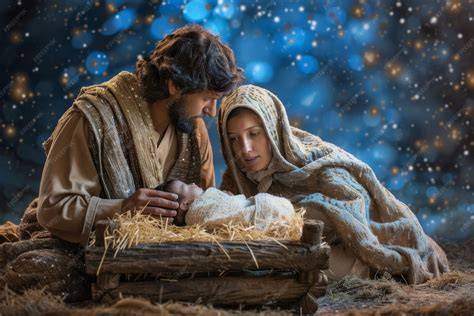
Love is born! Come share in the wonder. Love is God now asleep in the hay. See the glow in the eyes of His mother. What is the name her heart is saying?
Love! Love! Love is the name she whispers. Love! Love! Jesus, Immanuel.
Love has come-He never will leave us! Love is life everlasting and free. Love is Jesus within and among us. Love is the peace our hearts are seeking.
Love! Love! Love is the gift of Christmas. Love! Love! Praise to You, God on high!
What the Lyrics Mean
“Love has come-a light in the darkness”
The opening line interprets Christmas through the biblical image of light overcoming darkness. The birth of Jesus is described not simply as a historical event, but as the appearance of hope in a world marked by sin, sorrow, fear, and spiritual darkness.
“Love explodes in the Bethlehem skies” evokes the announcement of Christ’s birth to the shepherds. The night surrounding Bethlehem is transformed by the heavenly proclamation, and the quietness of the scene gives way to a song of joy. The angels’ praise makes clear that the child’s birth is an event of universal significance.
The hymn therefore treats Christmas as God’s love made visible. The love that arrives in Bethlehem is not merely human affection or sentimental warmth; it is the divine love that sends the Savior into the world.
“Born unto you, a Savior”
The refrain identifies the child in the manger as the Savior. This wording recalls the angelic announcement in Luke 2:11: Jesus is born as “a Savior, who is Christ the Lord.” The hymn joins the tenderness of the manger with the larger purpose of Christ’s mission.
The phrase “Glory to God on high” echoes the angels’ words in Luke 2:14. The birth of Jesus calls for worship because it reveals God’s character and fulfills His saving purpose. The refrain is both a confession of faith and a congregational act of praise.
“Love is God now asleep in the hay”
This is one of the hymn’s most important theological lines. Jesus is described as God asleep in the hay, combining the vulnerability of an infant with the Christian confession that the child is divine.
The image emphasizes the mystery of the incarnation: the Son of God, who existed in heavenly glory, has become human and now lies helpless in a manger. The hymn invites worshippers to contemplate both realities at once-the majesty of God and the weakness of a newborn child.
The manger also points to Christ’s humility. The One who is worthy of glory does not arrive with worldly power, royal ceremony, or human grandeur. He comes in lowliness and accepts dependence, poverty, and the limitations of human flesh.
Mary’s wonder and whispered name
“See the glow in the eyes of His mother” draws attention to Mary’s personal experience of the birth. The hymn does not describe the scene only from the perspective of angels, shepherds, or worshippers; it also imagines the mother looking at her child.
“What is the name her heart is saying?” introduces a moment of intimate wonder. The answer is “Love,” followed by “Jesus, Immanuel.” The name Immanuel means “God with us,” so the line brings together the hymn’s main ideas: love has come because God has come to dwell among humanity.
Mary’s whispered name is poetic rather than a replacement for Jesus’ historical name. It expresses what the child means: He is the personal embodiment of God’s love and presence.
“He never will leave us”
The third stanza moves from Bethlehem to the continuing life of believers. Christmas is not treated as an isolated event in the past. The love revealed in Jesus remains present and active.
“Love has come-He never will leave us!” presents Christ’s coming as a promise of continuing divine presence. The hymn shifts from what happened at the birth of Jesus to what that birth means for people in every age.
“Love is Jesus within and among us” gives the hymn both a personal and a communal dimension. Christ’s presence is described as something experienced within individual believers and among the gathered community.
“Love is life everlasting and free”
This line expresses the saving result of Christ’s coming. The love revealed in Christmas leads to everlasting life, and that life is described as free. The wording points to salvation as God’s gracious gift rather than something earned through human achievement.
The hymn does not explain every detail of Christian doctrine, but it presents Christmas as the beginning of God’s saving work. The child in the manger is the Savior, and the love made visible in Him brings eternal life.
“Love is the peace our hearts are seeking”
The final stanza also addresses a universal human longing for peace. The peace in this line is more than the absence of conflict or the quiet of Christmas night. It is the inward peace associated with reconciliation to God and the presence of Christ.
The wording connects the personal longing of the human heart with the message of the angels. The peace announced at Jesus’ birth becomes a spiritual reality offered through Him.
“Love is the gift of Christmas”
The final declaration summarizes the hymn’s interpretation of the holiday. Christmas is not primarily defined by presents, celebrations, or nostalgia. Its central gift is God’s love given in Jesus Christ.
The refrain returns to praise: “Praise to You, God on high!” The hymn ends where the angels’ proclamation begins-with worship directed to God.
History of the Hymn
Ken Bible wrote “Love Has Come” as a newer Christmas hymn centered on the divine love revealed in the incarnation. The hymn is associated with a French carol melody from the sixteenth century, commonly known in English through “Bring a Torch, Jeannette, Isabella.”
The hymn information identifies the music as a French carol melody from the 16th century, “Bring a Torch, Jeanette, Isabella,” and the words of “Love Has Come” as written by Ken Bible.
“Love Has Come” is found in Evangelical Lutheran Worship, published by Augsburg Fortress in 2006.
| Element | Information |
|---|---|
| Hymn | Love Has Come |
| Text | Ken Bible |
| Melody | French carol melody from the 16th century |
| Associated English carol | Bring a Torch, Jeanette, Isabella |
| Hymnal reference | Evangelical Lutheran Worship, 292 |
| Publisher | Augsburg Fortress |
| Publication | 2006 |
The History of the Tune: “Bring a Torch, Jeannette, Isabella”
The melody used for “Love Has Come” is familiar from the French Christmas carol “Bring a Torch, Jeannette, Isabella,” also known by its French title “Un Flambeau, Jeannette, Isabella.”
Many people recognize the tune without knowing its history. It was recorded and popularized in various versions, including versions associated with Jim Reeves, Johnny Mathis, Burl Ives, and Tennessee Ernie Ford.
The melody has been sung across France, where people gathered for Christmas Eve midnight Mass. Some sources say the music was originally intended as dance music for French nobility. Other accounts associate the melody with Nicolas Saboly, a priest who wrote Christmas carols, which may suggest that it was intended as a Christmas carol from the beginning.
Whatever its original purpose, the melody became strongly associated with Christmas. Its gentle movement and recurring refrain make it suitable for both a lullaby and a congregational hymn.
Why the Melody Works for “Love Has Come”
The original carol functions as a lullaby. Its lyrics encourage quietness because the infant Jesus may be sleeping. The melody’s gentle character supports that image of the child resting in the manger.
The pause between the repeated “hush, hush” phrases can create a moment of contemplation. It encourages listeners to think about the Son of God sleeping in the manger and to consider the contrast between Christ’s divine identity and His human vulnerability.
When Ken Bible’s words are sung to the same melody, the tune retains its tenderness while the lyrics expand the theological message. The familiar music carries the listener from the quiet manger to the heavenly proclamation, from Christ’s birth to His continuing presence, and from the Christmas scene to the promise of salvation.
The words fit the melody as naturally as the original lyrics, even though the new text presents a more explicit Christian interpretation of the incarnation. The result is both familiar and fresh: an old French melody receives newer words that describe why the birth of Jesus matters.
“Love Has Come” and the Message of the Incarnation
The incarnation is the Christian belief that the Son of God became human in Jesus Christ. “Love Has Come” expresses this doctrine through poetic images rather than through a formal theological explanation.
“Love is God now asleep in the hay” states the central mystery directly. The child is truly human, capable of sleep and dependence, yet He is also God. The hymn sees the manger as the place where divine love becomes tangible in human life.
This message recalls the biblical teaching that God sent His Son into the world so that humanity might live through Him. The birth of Jesus is therefore linked to restoration, rescue, and eternal life.
The hymn also emphasizes the distance Christ crossed. The One who came from the glory of heaven accepted human limitations and entered a world marked by suffering. His humble birth becomes the beginning of the saving work that Christians associate with both Christmas and Easter.
Christmas, the Cross, and Salvation
Although “Love Has Come” focuses on the birth of Jesus, its language of Savior, everlasting life, freedom, and peace points beyond Bethlehem. The child in the manger is understood in light of the whole mission of Christ.
The Christmas story and the cross are inseparable in Christian theology. Jesus comes as Savior, and His birth begins the earthly life that leads to His death and resurrection. The hymn’s statement that love has come therefore includes the entire saving movement of God toward humanity.
Other Christian songs with the title “Love Has Come” make this connection even more explicitly. One version describes God becoming human, dying for sin, paying the cost on the cross, and bringing believers to the day when every knee will bow and every tongue confess that Jesus Christ is Lord.
The connection between Christmas and Easter is important because it prevents the manger from becoming only a sentimental image. The baby in Bethlehem is also the suffering servant and Savior. The humility of the incarnation leads to the sacrifice of the cross and the hope of resurrection.
Biblical Ideas Reflected in the Hymn
God’s love made visible
The hymn’s central idea reflects the teaching that “God is love.” In Christian understanding, love is not merely one of God’s actions; it is a defining characteristic of His nature.
Christmas reveals that love in a personal form. In Jesus Christ, divine love enters history, takes on human flesh, and lives among humanity.
Jesus as Immanuel
The title “Immanuel” means “God with us.” It expresses the conviction that God does not remain distant from human suffering and weakness. In Jesus, God comes near.
This is why the line “Love has come-He never will leave us!” follows naturally from the reference to Immanuel. The birth of Christ is understood as the beginning of God’s enduring presence with His people.
The angels and the shepherds
The hymn’s picture of heaven proclaiming the birth recalls the angels who appeared to shepherds near Bethlehem. The angels’ song of joy gives the birth a cosmic dimension.
The shepherds represent ordinary people who receive the announcement and come to see the child. The hymn’s invitation to “come share in the wonder” echoes their movement from hearing the news to encountering Jesus.
Light in darkness
The image of light shining in darkness is a recurring biblical theme. In the hymn, Bethlehem becomes the place where this light appears in the person of Jesus.
The image also speaks to people experiencing grief, fear, uncertainty, or spiritual emptiness. The hymn presents Christ’s coming as the arrival of a light that is not overcome by darkness.
Peace and reconciliation
“Love is the peace our hearts are seeking” reflects the Christian hope that Christ brings reconciliation between God and humanity. The peace of Christmas is therefore spiritual as well as emotional.
The familiar Christmas phrase “Peace on earth and mercy mild, God and sinners reconciled” expresses a related idea: Christ’s coming makes reconciliation possible.
The Hymn’s Emotional and Spiritual Power
The strength of “Love Has Come” lies in its ability to combine doctrinal clarity with intimate imagery. It speaks about salvation and everlasting life, but it also asks the listener to imagine a mother looking into the eyes of her newborn child.
The hymn invites wonder rather than merely providing information. “Love is born! Come, share in the wonder” asks worshippers to enter the scene emotionally and spiritually.
Its language can also be applied to personal experience. The image of Mary seeing the child can lead believers to imagine what God’s love might look like in their own lives. The hymn invites each person to consider how divine love is present within and among the community.
The repeated word “Love” gives the hymn a simple, memorable structure. It functions as a theological confession, a response to the angels, and a refrain that can be sung by a congregation.
Use in Worship
“Love Has Come” is suitable for Christmas worship, Advent services, candlelight services, and gatherings focused on the incarnation. Its text begins with the Bethlehem story and expands toward Christian hope, making it appropriate for congregational singing.
The hymn can also support devotional reflection. Worshippers may pause over each declaration: love has come, love is born, love is God, love is life, love is Jesus, and love is peace.
Because the melody is already familiar to many people, congregations may find it accessible even when the hymn text is new. The traditional tune provides continuity, while the newer lyrics offer a direct interpretation of Christmas.
How “Love Has Come” Differs from “Bring a Torch”
“Bring a Torch, Jeannette, Isabella” emphasizes the quietness of the manger and works as a lullaby. Its focus is the sleeping infant Jesus and the reverent atmosphere surrounding Him.
“Love Has Come” uses the same melody but changes the emphasis. Instead of concentrating mainly on keeping quiet near the sleeping child, it explains the theological meaning of that child’s arrival.
| Feature | “Bring a Torch, Jeannette, Isabella” | “Love Has Come” |
|---|---|---|
| Main image | The sleeping infant in the manger | Divine love arriving in Jesus |
| Musical character | Gentle lullaby | Gentle but celebratory worship hymn |
| Primary emphasis | Quiet contemplation | Incarnation, salvation, peace, and praise |
| Christmas scene | The child sleeping in Bethlehem | Angels proclaiming, Mary wondering, and believers responding |
| Theological scope | Focused on the manger | Extends from Bethlehem to eternal life |
The Broader Meaning of “Love Has Come”
The hymn teaches that Christmas is not only about remembering that Jesus was born. It is about recognizing what His birth reveals concerning God’s character and purpose.
God’s love is shown in the decision to come near, to share human life, and to bring salvation. The child is both vulnerable and divine, both dependent and the Savior, both lying in hay and worthy of glory.
The text also challenges worshippers to carry the meaning of Christmas beyond the holiday. If love has come in Jesus, then believers are called to live in the light of that love throughout the year.
The hymn’s repeated praise gives the message a communal form. It is not only a private meditation but a confession sung together: love has come, the Savior is born, God receives glory, and Christ remains present.
Author and Musical Information
Ken Bible is identified as the writer of “Love Has Come.” He is also described as an author and Christian songwriter who has written more than 400 songs.
The melody is a French carol tune from the sixteenth century. Its best-known English association is “Bring a Torch, Jeannette, Isabella.”
Another hymn with the title “Love Has Come” was written by Matt Maher. It begins, “With one voice the angels sing songs that make creation ring,” and presents Christmas as a prayer about God’s covenant, Jesus Christ, salvation, and peace. It should not be confused with Ken Bible’s hymn, even though both songs interpret Christmas through the theme of divine love.
A further song titled “Love Has Come,” associated with Joel Vaughn, is a contemporary Christian Christmas recording released in 2022. Its message connects the birth of Christ with His sacrifice on the cross, grace, resurrection hope, and the future confession that every knee will bow and every tongue confess.
These works share a title and a Christian theme, but they are distinct compositions with different lyrics, authors, musical settings, and emphases.
Why the Hymn Remains Memorable
“Love Has Come” is memorable because it combines a familiar melody with a concise central idea. The repeated word “Love” makes the refrain easy to remember, while the verses give that word a specifically Christian meaning.
The hymn also moves through several scenes that are easy to visualize: the Bethlehem skies, the heavenly song, the child asleep in hay, the glow in Mary’s eyes, and the community seeking peace.
Its language is simple without being empty. Each stanza adds another dimension to the same confession: love arrives, love becomes incarnate, love remains present, and love gives eternal life.
For many singers, the tune may evoke childhood Christmas memories, familiar recordings, or midnight worship. The new text then gives those memories a deeper theological focus by naming the love revealed in Christ.