“Jesus Is Coming Soon” is a Christian gospel hymn about the Second Coming of Jesus Christ, the resurrection of the dead, judgment, spiritual watchfulness, and the hope of heaven. Its central message is expressed in the recurring chorus: “Jesus is coming soon, morning or night or noon,” urging Christians to remain awake in faith during troubling times.
The song contrasts fear, social unrest, and spiritual danger with the promise that believers will rise, meet the righteous in the skies, and go “heavenward bound.” The lyrics are commonly associated with R. E. Winsett and appear in versions performed by gospel groups including The Inspirations.
Song information
Jesus Is Coming Soon (Morning Or Night Or Noon) by R. E. Winsett
Jesus Is Coming Soon by The Inspirations Album: Songs For Our American Culture
The hymn is built around two verses and a repeated chorus. Some versions also include an additional verse about the love of many growing cold and the signs that the end is near.
Lyrics
Verse 1
Troublesome times are here, filling men's hearts with fear
Freedom we all hold dear now is at stake
But humbling your heart to God
Saves from the chastening rod
Seek the way pilgrims trod
Christians awake
Chorus
Jesus is coming soon
Morning or night or noon
Many will meet their doom
Trumpets will sound
All of the dead shall rise
Righteous meet in the skies
Going where no one dies
Heavenward bound
Verse 2
Our troubles will soon be o'er
Happy forevermore
When we meet on that shore
Free from all care
Rising up in the sky
Telling this world goodbye
Homeward we then shall fly
Glory to share
Repeat Chorus
Additional verse
Love of so many cold
Losing their home of gold
This in God’s Word is told
Evils abound
When these signs come to pass
Nearing the end at last
It will come very fast
Trumpets will sound
Some lyric versions use slightly different punctuation, capitalization, or wording, including “righteous meet in the sky” instead of “righteous meet in the skies,” “chast’ning rod” instead of “chastening rod,” and “heaven-ward bound” instead of “heavenward bound.”
Meaning of the lyrics
“Troublesome times are here”
The opening verse presents a world marked by fear and uncertainty: “Troublesome times are here, filling men's hearts with fear.” The phrase introduces the hymn’s urgent atmosphere and explains why the song calls Christians to spiritual awareness.
“Freedom we all hold dear now is at stake.” This line describes freedom as something valuable and vulnerable. Within the hymn, social danger is connected with a broader spiritual crisis, so the song addresses both the conditions of the world and the condition of the human heart.
Humility and repentance
“Humbling your heart to God saves from the chastening rod.” The lyric presents humility before God as the proper response to crisis. Rather than trusting only in human strength, the singer calls listeners to turn toward God and seek spiritual correction.
“Seek the way pilgrims trod, Christians awake.” The image of pilgrims suggests a journey of faith rather than a permanent attachment to the present world. The command “Christians awake” is a direct appeal for vigilance, readiness, and renewed commitment.
The expectation of Christ’s return
The chorus states the song’s main idea: “Jesus is coming soon, morning or night or noon.” The wording emphasizes that the event may occur at any time. Morning, night, and noon together represent every hour and remove any assumption that the return can be predicted according to a convenient schedule.
The line “Many will meet their doom” introduces the hymn’s warning. The song does not present the Second Coming only as a comforting promise; it also describes it as a moment of judgment with serious consequences.
“Trumpets will sound” evokes the biblical imagery of a public, unmistakable announcement. The following lines describe resurrection and the gathering of the righteous: “All of the dead shall rise, righteous meet in the skies.”
“Going where no one dies”
“Going where no one dies, heavenward bound” expresses the destination promised to the righteous. The phrase “where no one dies” presents heaven as a realm beyond mortality, while “heavenward bound” gives the chorus a strong sense of movement and hope.
The promise beyond present troubles
The second verse shifts from warning to consolation: “Our troubles will soon be o'er; happy forevermore.” The song acknowledges present suffering but places it within a temporary horizon.
“When we meet on that shore, free from all care.” The shore is an image of arrival and safety. It suggests that the pilgrimage has ended and that believers will enter a state free from anxiety, hardship, and worry.
“Rising up in the sky, telling this world goodbye; homeward we then shall fly, glory to share.” These lines repeat the hymn’s upward movement and describe heaven as the believer’s true home. The future is portrayed as a communal experience in which the faithful share glory together.
Biblical reference
“Behold, I come quickly; and my reward is with me, to give every man according as his work shall be.” - Rev. 22:12
This biblical reference reinforces the hymn’s emphasis on Christ’s sudden return, divine reward, and accountability. It also connects the warning and encouragement in the lyrics with the New Testament expectation of the Second Coming.
Song structure
| Section | Main subject |
|---|---|
| Verse 1 | Troublesome times, threatened freedom, humility, and spiritual awakening |
| Chorus | The coming of Jesus, resurrection, judgment, and heaven |
| Verse 2 | The end of troubles, freedom from care, and heavenly hope |
| Additional verse | Spiritual decline, evil, signs of the end, and the suddenness of Christ’s return |
Repeated images in the hymn
- Trumpets: a public signal associated with Christ’s return and the resurrection.
- The skies: the meeting place of the righteous in the song’s vision of the Second Coming.
- The shore: an image of arrival, safety, and freedom from care.
- Homeward flight: a picture of believers leaving the present world and moving toward their heavenly home.
- The pilgrim path: a metaphor for the Christian life as a journey requiring faithfulness and alertness.
- Morning, night, or noon: a reminder that Jesus may come at any time.
Versions and wording
The lyrics circulate in several forms. One version begins, “Troublesome times are here, filling men's hearts with fear,” while another uses “Troublesome times are here, filling men’s hearts with fear.” The meaning remains the same, although apostrophes, punctuation, line breaks, and capitalization vary.
Some versions contain the two principal verses and chorus, while others add the verse beginning “Love of so many cold.” The chorus is also repeated multiple times in extended performances, often ending with “Heavenward bound, heavenward bound.”
Performance context
The song’s compact lines and repeated chorus make it suitable for congregational singing and gospel-group performance. The verse presents the situation, the chorus delivers the central warning and promise, and the second verse offers reassurance about the future.
Its emotional movement follows a clear pattern: fear gives way to humility, warning leads to expectation, and present troubles give way to heavenly hope. The repeated phrase “Jesus is coming soon” keeps the song focused on readiness rather than speculation about a particular date or hour.
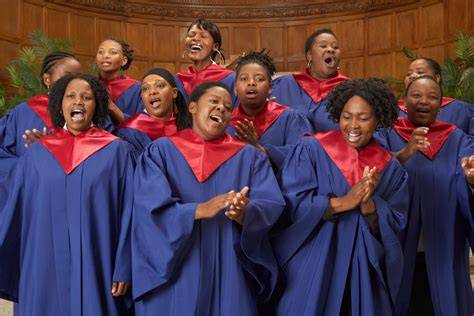
Jesus Is Coming Soon - Oak Ridge Boys
Key themes
- Christ’s Second Coming
- Christian spiritual alertness
- Resurrection of the dead
- Judgment and accountability
- Hope beyond earthly troubles
- Heaven as a place without death
- Humility before God
- The Christian life as a pilgrimage