Nativity of the Blessed Virgin Mary Cathedral is a late Gothic Revival church originally built as a parish church in 1902. Its imposing structure has a vaulted interior, numerous arches, naves, buttresses, Italian pearl marble altars, and stained glass windows from Germany.
The church became a cathedral when the Diocese of Biloxi was created in 1977. Its architectural character, historic origins, and continuing religious role make it a significant landmark in Biloxi.
Historical origins
The cathedral replaced an 1870 church that burned in Biloxi’s disastrous fire in 1900. German architect Tomas Bruni designed the imposing structure that has a vaulted interior, numerous arches, naves, buttresses, Italian pearl marble altars, and stained glass windows from Germany.
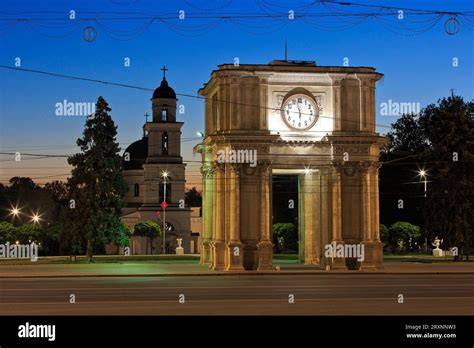
The late Gothic Revival architecture is evident on the exterior and abounds in the interior of the cathedral, which was originally built as a parish church in 1902. The square tower houses the original 1902 four-sided clock, which was electrified in 1959.
Architecture and interior design
Late Gothic Revival character
The cathedral’s exterior expresses the late Gothic Revival through its vertical emphasis, pointed architectural forms, buttresses, arches, and monumental tower. These elements give the building a strong ecclesiastical presence and distinguish it within Biloxi’s historic urban landscape.
The late Gothic Revival architecture is evident on the exterior and abounds in the interior of the cathedral, which was originally built as a parish church in 1902. The edifice combines a substantial masonry structure with a carefully articulated interior organized around vaulted spaces and multiple naves.
Vaults, arches, and naves
The vaulted interior creates a sense of height and solemnity. Numerous arches structure the interior and visually connect the nave, side spaces, and sanctuary, while the naves provide a processional arrangement appropriate to Catholic worship.
Buttresses reinforce the Gothic architectural vocabulary while also emphasizing the building’s structural rhythm. Together, the vaults, arches, naves, and buttresses create an interior and exterior composition in which engineering and religious symbolism are closely connected.
Altars and stained glass
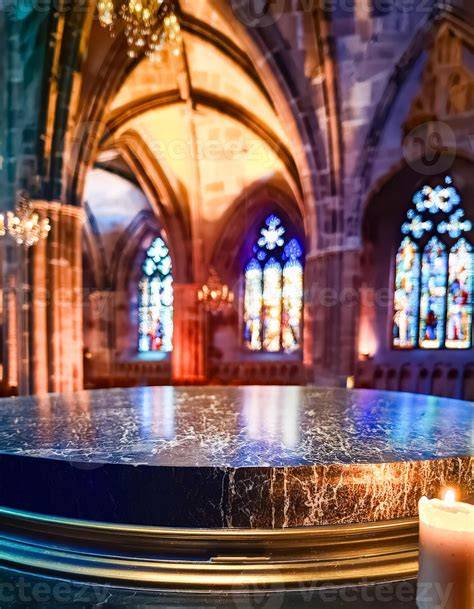
The Italian pearl marble altars are among the most important decorative features of the cathedral. Their material, craftsmanship, and position within the liturgical interior contribute to the building’s ceremonial character.
Stained glass windows from Germany add color and visual richness to the interior. The windows complement the Gothic Revival design by filtering daylight through religious imagery and transforming the interior atmosphere according to the changing light.
The cathedral tower and historic clock
The square tower is one of the building’s most recognizable exterior features. It houses the original 1902 four-sided clock, which was electrified in 1959.
The clock connects the cathedral’s religious function with the daily life of Biloxi. Visible from several directions, the tower and its clock serve as both an architectural landmark and a historical reminder of the building’s early twentieth-century origins.
From parish church to cathedral
Nativity of the Blessed Virgin Mary Cathedral was originally constructed as a parish church in 1902. Its later elevation reflected the development of the Catholic Church in the region and the establishment of a new diocesan structure.
The church became a cathedral when the Diocese of Biloxi was created in 1977. This change gave the building a broader ecclesiastical role: it became the seat of the bishop and the principal church of the diocese.
Its transformation from parish church to cathedral demonstrates how historic religious buildings can acquire new significance as the communities and institutions they serve develop over time.
Religious and civic significance
The cathedral’s significance rests first on its role as a place of Catholic worship and as the cathedral church of the Diocese of Biloxi. It provides a setting for liturgical celebrations, diocesan ceremonies, prayer, and the communal life of the Catholic faithful.
Its significance also extends beyond religious use. The building is an important part of Biloxi’s architectural heritage because it preserves an early twentieth-century Gothic Revival design and retains historic features such as the original tower clock, German stained glass, and Italian pearl marble altars.
The cathedral contributes to the identity of the city through its prominent form, historic continuity, and association with Biloxi’s changing religious and civic landscape. Its location in the historic city center places it within the broader context of downtown Biloxi’s cultural and architectural heritage.
Place within historic downtown Biloxi
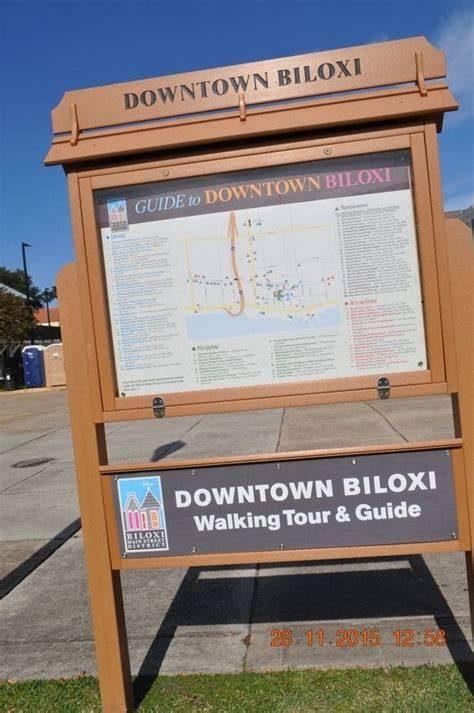
The corner of Howard Avenue and Reynoir Street is the entrance into the heart of downtown Biloxi. Continue east on Howard through downtown. The streets that intersect Howard within the business district are on the Historic Downtown Walking Tour.
The cathedral can therefore be understood as part of a wider historic environment rather than as an isolated monument. Its tower, clock, exterior massing, and ecclesiastical architecture contribute to the visual character of downtown Biloxi.
Park and read the historical marker on the left at the entrance of downtown. Continue east on Howard Avenue.
Architectural features at a glance
| Feature | Historical or architectural significance |
|---|---|
| Construction | Originally built as a parish church in 1902 |
| Architect | German architect Tomas Bruni |
| Architectural style | Late Gothic Revival |
| Interior | Vaulted interior, numerous arches, and naves |
| Structural elements | Buttresses |
| Altars | Italian pearl marble altars |
| Windows | Stained glass windows from Germany |
| Tower | Square tower with the original 1902 four-sided clock |
| Clock | Electrified in 1959 |
| Cathedral status | The church became a cathedral when the Diocese of Biloxi was created in 1977 |
Why the cathedral remains important
Nativity of the Blessed Virgin Mary Cathedral preserves the physical evidence of Biloxi’s Catholic history in a building designed for permanence, ceremony, and visibility. Its late Gothic Revival form communicates the importance of the church through height, structure, ornament, and carefully composed interior spaces.
The cathedral’s original 1902 fabric links it to the rebuilding of Biloxi after the disastrous fire of 1900. The replacement of the earlier 1870 church established a new architectural landmark and provided the parish with a larger and more imposing place of worship.
The building’s elevation to cathedral status in 1977 added a second historical layer. It became not only a parish church but also the central church of the Diocese of Biloxi, giving its architecture and interior furnishings a diocesan significance.
The combination of Gothic Revival architecture, German stained glass, Italian pearl marble altars, a historic clock tower, and continued religious use explains why the cathedral remains an important architectural, historical, and spiritual landmark in Biloxi.