Savior Complex is a three-part, TV-MA HBO documentary series about Renee Bach, an American missionary who established a charity for malnourished children in Jinja, Uganda, despite having no medical training. The series examines allegations that she dangerously treated vulnerable children herself, as well as the broader ethical questions surrounding foreign aid, missionary work, and “white saviorism.”
The documentary premiered on September 26, 2023, and focuses on Bach’s controversial journey, the families who lost children at or after treatment by her charity, and the consequences of humanitarian work carried out in the name of religious conviction without appropriate professional qualifications.
What is Savior Complex about?
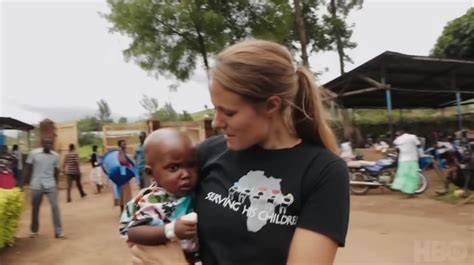
Savior Complex chronicles the controversial story surrounding Renee Bach, a young American missionary who felt called by God to set up a charity for malnourished children in Jinja, Uganda. But years later, shocking allegations arose that Renee was treating the sick children herself, without medical qualifications.
HBO states that the documentary will examine “missionary work in Uganda, where an American is accused of causing the death of vulnerable Ugandan children by dangerously treating them despite having no medical training.” The series addresses the circumstances surrounding Bach’s charity, the treatment of severely malnourished children, and the disputes that followed.
Detailing Renee’s divisive journey, the series addresses the wider questions around “white saviorism” and the ethics of foreign aid work done in the name of humanitarian and religious ideals. Its central subject is therefore not only one individual or one organization, but also the power relationships and responsibilities involved when foreign volunteers provide aid in vulnerable communities.
Who is Renee Bach?
Renee Bach was an American missionary who said she was called by God to serve the children of Uganda. She had volunteered at a missionary-run orphanage in Uganda for 9 months, came home to Virginia and then at age 19 returned to Uganda to set up her own charity - it felt like a calling from God, she told NPR in an interview.
She named her charity “Serving His Children,” began providing free hot meals to neighborhood children and says she got a call from a staffer at the local children’s hospital asking if she could help out with several severely malnourished children.
The documentary presents Bach as a divisive figure whose religious motivation and humanitarian ambitions became the subject of serious allegations and legal action. The series also considers how charitable intentions can be evaluated when the work involves medical treatment and children in an extremely vulnerable state.
Serving His Children and the medical allegations
In 2019, NPR published a story about Renee Bach, an American missionary who opened a clinic in Uganda to treat malnourished children. The headline: “American With No Medical Training Ran Center For Malnourished Ugandan Kids. 105 Died.”
Now HBO is airing a three-part documentary on Bach, premiering on September 26. The title is: Savior Complex. HBO states that the documentary will examine “missionary work in Uganda, where an American is accused of causing the death of vulnerable Ugandan children by dangerously treating them despite having no medical training.”
NPR’s story covers those efforts at Bach’s center - and interviews specialists who told us that treating malnourished children is a risky proposition because of their extremely vulnerable state. The allegations described in the documentary concern the treatment of sick children and the risks of undertaking such work without medical qualifications.
The children and the families at the center of the story
In 2019, NPR covered the story of Renee Bach, an American missionary who said she was called by God to serve the children of Uganda. In the NPR story, correspondent Nurith Aizenman detailed how Bach had volunteered at a missionary-run orphanage in Uganda for 9 months, came home to Virginia and then at age 19 returned to Uganda to set up her own charity.
The story became especially significant because of the number of children who died at Bach’s center and the allegations made by their families. A year later, NPR published a follow-up on the settlement of a lawsuit filed by two Ugandan parents whose children died at Bach’s center.
Bach was being sued by Gimbo Zubeda, whose son Twalali Kifabi was one of those children, as well as by Kakai Annet, whose son Elijah Kabagambe died at home soon after treatment by the charity.
Under the agreement . Bach and the charity - Serving His Children - have jointly agreed to pay about $9,500 to each of the mothers, with no admission of liability. NPR reached out to Bach and her lawyers this week for any updates. Bach referred us to her lawyers, who did not respond.
Why malnutrition treatment is a central issue
NPR’s story interviews specialists who told us that treating malnourished children is a risky proposition because of their extremely vulnerable state. This medical context is essential to the documentary’s investigation because the children at the center were not simply receiving general charitable support: they were severely malnourished and medically fragile.
The allegations described by HBO involve dangerously treating sick children despite having no medical training. The series consequently raises questions about who is qualified to diagnose and treat vulnerable patients, what safeguards should exist in charitable clinics, and how humanitarian organizations should be held accountable.
The documentary does not present the subject only as a dispute over personal intentions. It also examines the consequences that can arise when religious conviction, charitable work, and medical care overlap without the necessary professional qualifications and institutional oversight.
The meaning of “white saviorism” in the series
Savior Complex addresses the wider questions around “white saviorism” and the ethics of foreign aid work done in the name of humanitarian and religious ideals. The term refers to a pattern in which people from wealthy or powerful countries are portrayed as rescuers of communities in poorer countries, while local expertise, authority, and agency may be overlooked.
Within the documentary’s context, the debate concerns more than the actions of one missionary. It involves the role of foreign volunteers, the unequal relationships that can shape aid projects, and the possibility that humanitarian intentions may coexist with harmful assumptions about who is capable of solving local problems.
The series therefore connects the specific allegations involving Bach and Serving His Children with broader questions about responsibility, competence, cultural power, and the ethics of international charity.
Format and key details
| Category | Information |
|---|---|
| Title | Savior Complex |
| Network | HBO |
| Release date | Sep 26, 2023 |
| Format | Documentary series |
| Episodes | 3 |
| Seasons | 1 Seasons Available (3 Episodes) |
| Rating | TV-MA |
| Genre | Documentaries, Crime |
| Original language | English |
| Starring | Renee Bach |
Episodes
The series consists of three episodes. One listed episode is titled Reap What You Sow.
Reap What You Sow: Working with a Ugandan attorney, two mothers who lost their children file a laws.
The episode description places the legal experiences of the two mothers alongside the documentary’s investigation into Bach’s work and the deaths associated with the charity.
Directors and producers
Savior Complex is directed by Jacqueline Jesko. The producers are Jacqueline Jesko, Paul Kabango, Derrick Kibisi, Roger Ross Williams, Alex Waterfield, Nick Capote, Nancy Abraham, Lisa Heller, and Sara Rodriguez.
The executive producers are Nancy Abraham, Nick Capote, Lisa Heller, Sara Rodriguez, Alex Waterfield, and Roger Ross Williams. The series is an HBO documentary in the crime and documentary genres.
Where the story came from
In 2019, NPR covered the story of Renee Bach, an American missionary who said she was called by God to serve the children of Uganda. NPR published a story about Bach’s clinic and later followed the legal settlement involving two Ugandan mothers.
The NPR reporting provides background on Bach’s arrival in Uganda, the establishment of Serving His Children, the treatment of malnourished children, and the concerns raised by medical specialists. The documentary expands this subject into a three-part investigation focused on Bach’s actions, the families affected, and the larger ethical debate.
NPR’s original story described how Bach began her work after volunteering at a missionary-run orphanage and later establishing her own charity. She began by providing free hot meals to neighborhood children before becoming involved with several severely malnourished children.
What viewers can expect from Savior Complex
- An investigation into an American missionary accused of dangerously treating sick children in Uganda despite having no medical training.
- A detailed account of Renee Bach’s religious motivation and humanitarian work.
- Background on Serving His Children and its clinic for malnourished children.
- Accounts connected with Ugandan parents whose children died at or after treatment by the charity.
- Discussion of the risks of treating severely malnourished children.
- Examination of “white saviorism” and foreign aid ethics.
- A legal and social perspective on responsibility, professional qualifications, and oversight.
Rating and genre
Savior Complex is rated TV-MA and categorized as a documentary and crime series. Its subject matter includes allegations involving the deaths of children, medical treatment, legal disputes, and criticism of humanitarian practices.
The series is presented in English and has one season consisting of three episodes. Its documentary format combines the personal story of Renee Bach with an investigation into the charity, the families involved, and the wider debate over international aid.