Isaiah 54 presents God’s promise of restoration, everlasting mercy, covenant peace, security, and renewed dignity. The chapter speaks to the barren, forsaken, afflicted, and desolate, assuring them that their future will exceed their former condition.
The central promise is that God’s kindness will not depart and His covenant of peace will not be removed. He promises to gather His people with great mercies, establish them in righteousness, protect them from oppression and terror, and make every weapon formed against them unsuccessful.
A Perpetual Covenant of Peace
1. “Sing, O barren, You who have not borne! Break forth into singing, and cry aloud, You who have not labored with child! For more are the children of the desolate Than the children of the married woman,” says the Lord.
2. “Enlarge the place of your tent, And let them stretch out the curtains of your dwellings; Do not spare; Lengthen your cords, And strengthen your stakes.
3. For you shall expand to the right and to the left, And your descendants will inherit the nations, And make the desolate cities inhabited.
4. “Do not fear, for you will not be ashamed; Neither be disgraced, for you will not be put to shame; For you will forget the shame of your youth, And will not remember the reproach of your widowhood anymore.
5. For your Maker is your husband, The Lord of hosts is His name; And your Redeemer is the Holy One of Israel; He is called the God of the whole earth.
6. For the Lord has called you Like a woman forsaken and grieved in spirit, Like a youthful wife when you were refused,” Says your God.
7. “For a mere moment I have forsaken you, But with great mercies I will gather you.
8. With a little wrath I hid My face from you for a moment; But with everlasting kindness I will have mercy on you,” Says the Lord, your Redeemer.
9. “For this is like the waters of Noah to Me; For as I have sworn That the waters of Noah would no longer cover the earth, So have I sworn That I would not be angry with you, nor rebuke you.
10. For the mountains shall depart And the hills be removed, But My kindness shall not depart from you, Nor shall My covenant of peace be removed,” Says the Lord, who has mercy on you.
11. “O you afflicted one, Tossed with tempest, and not comforted, Behold, I will lay your stones with colorful gems, And lay your foundations with sapphires.
12. I will make your pinnacles of rubies, Your gates of crystal, And all your walls of precious stones.
13. All your children shall be taught by the Lord, And great shall be the peace of your children.
14. In righteousness you shall be established; You shall be far from oppression, for you shall not fear; And from terror, for it shall not come near you.
15. Indeed they shall surely assemble, but not because of Me. Whoever assembles against you shall fall for your sake.
16. “Behold, I have created the blacksmith Who blows the coals in the fire, Who brings forth an instrument for his work; And I have created the spoiler to destroy.
17. No weapon formed against you shall prosper, And every tongue which rises against you in judgment You shall condemn. This is the heritage of the servants of the Lord, And their righteousness is from Me,” Says the Lord.
The Main Promises of Isaiah 54
| Passage | Promise |
|---|---|
| Isaiah 54:1-3 | Expansion, descendants, and inhabited desolate cities |
| Isaiah 54:4 | Freedom from shame and the reproach of widowhood |
| Isaiah 54:5-6 | God’s covenant relationship as Maker, Husband, Redeemer, and God of the whole earth |
| Isaiah 54:7-8 | Gathering with great mercies and everlasting kindness |
| Isaiah 54:9-10 | A covenant of peace that will not be removed |
| Isaiah 54:11-12 | Beauty, strength, and restoration represented by precious stones |
| Isaiah 54:13-14 | Children taught by the Lord, great peace, righteousness, and security |
| Isaiah 54:15-17 | Protection from hostile assemblies, weapons, and condemning accusations |
Expansion After Desolation
The chapter begins with a command to sing before the visible circumstances have changed. The barren woman, who has not borne and has not labored with child, is told to break forth into singing because her future children will be more numerous than those of the married woman.
The image then changes from childbirth to a tent. “Enlarge the place of your tent,” stretch out the curtains, lengthen the cords, and strengthen the stakes. The language describes preparation for growth: the tent must be made larger, its supports extended, and its stakes strengthened.
The promised expansion reaches “to the right and to the left.” The descendants will inherit the nations and will make desolate cities inhabited. What was empty will become populated, and what appeared restricted will be expanded.

Freedom From Shame and Rejection
Isaiah 54 directly addresses fear, shame, disgrace, and reproach. The promise is not merely that suffering will end, but that the memory and power of former humiliation will no longer define the restored people.
“Do not fear, for you will not be ashamed” is followed by the assurance that disgrace and shame will not have the final word. The shame of youth and the reproach of widowhood will not be remembered anymore.
The chapter uses the language of marriage to describe the relationship between God and His people. Their Maker is their Husband; the Lord of hosts is His name; their Redeemer is the Holy One of Israel; and He is called the God of the whole earth.
The rejected wife is not abandoned as the final reality. The Lord has called her as a woman forsaken and grieved in spirit, like a youthful wife who was refused. The language recognizes the depth of the wound while announcing that rejection will be replaced by restoration.
Mercy Greater Than Temporary Abandonment
The contrast in verses 7-8 is between a mere moment and great mercies, between a little wrath and everlasting kindness. The period of apparent abandonment is described as brief when compared with the mercy that follows.
“For a mere moment I have forsaken you, But with great mercies I will gather you.” The promise emphasizes reunion, recovery, and restoration.
“With a little wrath I hid My face from you for a moment; But with everlasting kindness I will have mercy on you.” The final emphasis is not on wrath but on everlasting kindness and mercy from the Lord, the Redeemer.
The Covenant of Peace
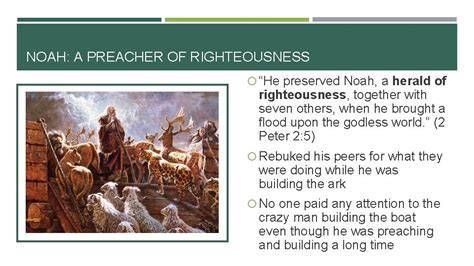
The assurance is compared with the waters of Noah. Just as God swore that the waters of Noah would no longer cover the earth, so He swore that He would not be angry with His people or rebuke them.
The comparison establishes the certainty of the promise. The covenant rests on a divine oath, just as the promise concerning the waters of Noah was confirmed by God’s sworn word.
Mountains may depart and hills may be removed, but God’s kindness will not depart. His covenant of peace will not be removed. The permanence of this covenant is grounded in the Lord’s mercy.
Restoration Described Through Precious Stones
Isaiah next addresses the afflicted one: “O you afflicted one, Tossed with tempest, and not comforted.” This description presents someone who has endured turmoil and has not received comfort.
Against that background, God promises to lay the stones with colorful gems and the foundations with sapphires. The pinnacles will be made of rubies, the gates of crystal, and all the walls of precious stones.
The imagery conveys a reversal of condition. The one who was afflicted, tempest-tossed, and without comfort will receive a secure and splendid foundation. The restored community will be characterized by beauty, stability, and preciousness.
The chapter’s imagery of precious stones is also associated in its cross references with the construction and adornment of sacred places. The stones therefore communicate not only outward beauty but also an established and honored dwelling.
Children Taught by the Lord
“All your children shall be taught by the Lord, And great shall be the peace of your children.” The promise combines divine instruction with peace.
The children are not merely numerous; they are taught by the Lord. Their peace is described as great, linking their security with the instruction they receive.
The promise of teaching gives the restoration a lasting character. The future community is shaped by the Lord’s instruction, and the result is great peace among its children.
Righteousness, Security, and Freedom From Terror
“In righteousness you shall be established.” The restored people are to be established on a foundation of righteousness rather than fear, oppression, or instability.
The result is distance from oppression: “You shall be far from oppression, for you shall not fear.” Terror is also excluded from the promised future: “And from terror, for it shall not come near you.”
Isaiah 54 connects righteousness with security. The people are established in righteousness, and therefore oppression and terror do not define their condition.
Opposition Will Not Prevail
The chapter does not say that hostile forces will never assemble. It says that they will not assemble because of the Lord, and that whoever assembles against His people will fall for their sake.
This distinction acknowledges the existence of opposition while declaring its failure. The presence of an attack does not establish its success, and the gathering of enemies does not determine the outcome.
The Lord identifies Himself as the Creator of both the blacksmith and the spoiler. He created the blacksmith who blows the coals in the fire and brings forth an instrument for his work, and He created the spoiler to destroy.
The footnote associated with Isaiah 54:16 gives “weapon” as an alternative for “instrument” and “destroyer” as an alternative for “spoiler.” The verse therefore presents God as sovereign over both the maker of weapons and the one who uses destruction.

“No Weapon Formed Against You Shall Prosper”
Isaiah 54:17 contains one of the chapter’s best-known declarations: “No weapon formed against you shall prosper.” The statement does not deny that weapons may be formed; it declares that they will not achieve their intended success against the servants of the Lord.
The verse also addresses verbal attacks: “And every tongue which rises against you in judgment You shall condemn.” The promise includes protection from accusations, hostile testimony, and condemning speech.
This protection is identified as “the heritage of the servants of the Lord.” It belongs to those described as the servants of the Lord, but the basis of their standing is not their own merit: “their righteousness is from Me,” says the Lord.
Key Themes in Isaiah 54
- Joy after barrenness: the barren woman is called to sing because her future will be fruitful.
- Expansion after limitation: the tent must be enlarged, its cords lengthened, and its stakes strengthened.
- Restoration after desolation: descendants will inherit the nations and desolate cities will be inhabited.
- Honor after shame: former shame, disgrace, and reproach will no longer define the people.
- Relationship after rejection: the Maker is presented as Husband, and the Lord as Redeemer.
- Mercy after temporary abandonment: a mere moment is contrasted with great mercies.
- Everlasting kindness: God’s kindness will not depart.
- Peace that cannot be removed: the covenant of peace remains even when mountains and hills are removed.
- Beauty after affliction: the tempest-tossed and uncomforted one receives foundations and walls of precious stones.
- Instruction and peace: the children are taught by the Lord and experience great peace.
- Righteous establishment: the people are established in righteousness and kept far from oppression and terror.
- Protection from weapons and accusations: weapons will not prosper and hostile tongues will be condemned.
Cross References Listed With Isaiah 54
| Isaiah 54 | Cross references |
|---|---|
| Isaiah 54:1 | Gal. 4:27 |
| Isaiah 54:2 | Is. 49:19, 20 |
| Isaiah 54:3 | Is. 14:2; 49:22, 23; 60:9 |
| Isaiah 54:4 | Is. 41:10 |
| Isaiah 54:5 | Jer. 3:14; Hos. 2:19; Zech. 14:9; Rom. 3:29 |
| Isaiah 54:6 | Is. 62:4 |
| Isaiah 54:7 | Ps. 30:5; Is. 26:20; 60:10; 2 Cor. 4:17; Is. 43:5; 56:8 |
| Isaiah 54:8 | Is. 55:3; Jer. 31:3 |
| Isaiah 54:9 | Gen. 8:21; 9:11; 2 Pet. 3:6, 7; Is. 12:1; Ezek. 39:29 |
| Isaiah 54:10 | Ps. 46:2; Is. 51:6; Matt. 5:18; 2 Sam. 23:5; Ps. 89:33, 34; Is. 55:3; 59:21; 61:8 |
| Isaiah 54:11 | 1 Chr. 29:2; Job 28:16; Rev. 21:18, 19 |
| Isaiah 54:13 | Jer. 31:34; John 6:45; 1 Cor. 2:10; 1 Thess. 4:9; 1 John 2:20; Ps. 119:165 |
| Isaiah 54:15 | Is. 41:11-16 |
| Isaiah 54:17 | Is. 17:12-14; 29:8; Is. 45:24, 25; 54:14 |
The Structure of the Chapter
- Verses 1-3: singing, enlargement, fruitfulness, and expansion.
- Verses 4-6: the removal of shame and the restoration of the rejected wife.
- Verses 7-10: great mercies, everlasting kindness, and the covenant of peace.
- Verses 11-12: the rebuilding and beautifying of the afflicted community.
- Verses 13-14: children taught by the Lord, great peace, righteousness, and security.
- Verses 15-17: the failure of opposition, the sovereignty of the Creator, and the heritage of the Lord’s servants.