Albert Mohler’s sermons address Scripture, the gospel, Christian worship, biblical theology, culture, holiness, wisdom, and the life of the church. His preaching repeatedly emphasizes the need to hear the Word of God, understand its redemptive purpose, and apply it faithfully to contemporary life.
The available sermons include expository messages on passages from Deuteronomy, the Gospels, Romans, 1 Corinthians, 1 Peter, Proverbs, 1 Samuel, Daniel, Psalms, and Ecclesiastes, as well as chapel sermons, commencement preaching, and teaching on hymnody and culture. Together, these messages present preaching as an act of worship, doctrinal instruction, evangelistic witness, and practical discipleship.
Major themes in Albert Mohler’s sermons
Preaching Christ from all the Scriptures
One sermon on John 5:31-47 emphasizes the importance of understanding and preaching Christ from all the Scriptures, both the Old and New Testaments. It highlights the need to see the redemptive purpose of Scripture and to recognize how the biblical witness directs attention to Christ.
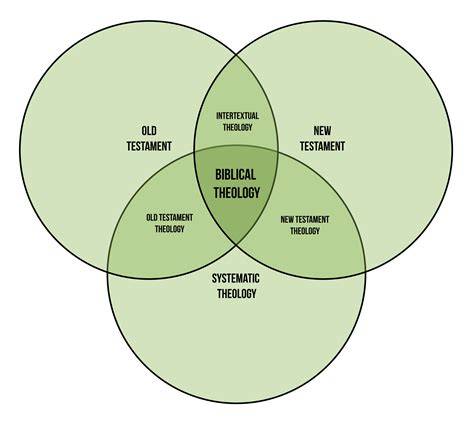
This Christ-centered approach treats the Bible as a unified revelation rather than a collection of disconnected moral lessons. The Old Testament and the New Testament are read together, with the gospel providing the central framework for understanding the whole biblical story.
A sermon on Deuteronomy 4:33 emphasizes the importance of having witnesses to the preaching of the good news. It mentions theologians like Gerhardes Vos, Richard Gaffin, and Edmund Clowney, whose work is associated with biblical theology and the redemptive-historical interpretation of Scripture.
The emphasis on witnesses connects preaching with the responsibility to proclaim what God has revealed. Christian proclamation is not presented as the expression of private opinion but as testimony to the truth of the gospel.
The authority and clarity of God’s Word
The chapel sermon on Psalm 8 begins by calling the congregation to worship and directing attention to the Word of God: “O LORD our Lord, how excellent is thy name in all the earth! who hast set thy glory above the heavens.” The sermon presents Scripture as the foundation for corporate worship and theological reflection.
The sermon on Proverbs 7 likewise begins with a direct reading of the biblical text: “My son, keep my words and treasure up my commandments with you. Keep my commandments and live.” The passage frames wisdom as obedience to revealed instruction and presents God’s commandments as a source of life.
The message on Deuteronomy 30:11-20 addresses the accessibility and urgency of God’s command. The sermon is situated within a worship service and welcomes guests, students, faculty, and friends who have gathered together to hear the Word.
These sermons portray biblical preaching as an encounter with the text itself. The preacher’s task is to expose the meaning of Scripture, preserve its authority, and call listeners to respond with faith and obedience.
Albert Mohler sermons on Christian worship and hymnody
Hymns as a means of teaching biblical truth
A discussion of Matthew 6:33 focuses on hymnody and the power of music to convey the truths of the Bible. Keith and Kristen Getty discuss how putting these truths into a story or journey format helps people remember and understand them.
The theme of hymnody also appears in the sermon on Romans 12:1-2. The message begins with the hymn “Oh, to grace, how great a debtor, daily I'm constrained to be.” It reflects on the way Christians sing the faith and observes that classic hymns can express biblical truth with power, concision, and joy.
Christian singing is therefore treated as more than a musical activity. Hymns communicate doctrine, shape memory, unite the congregation, and give worshipers language with which to confess the faith.
The sermon on 1 Corinthians 8:2-3, titled “To Know as We Ought to Know,” also connects theological continuity with congregational singing. Christians not only speak words of continuity with the faith once for all delivered to the saints and with the apostles’ teaching; they also sing them.
Worship as shared confession
The chapel sermons repeatedly begin with a welcome to the gathered congregation and an invitation to worship. The sermon on Psalm 8 welcomes the congregation to the service of worship and calls attention to the words of the psalm.
The sermon on 1 Corinthians 1:10-31 describes the privilege of looking out and seeing the congregation gathered together, singing such words together, and welcoming those who are visiting. The sermon on 1 Peter 3:8-17 similarly offers a personal welcome to those who have gathered for the events of the day and World Watch.
The sermon on 1 Samuel 3 speaks of the privilege of being together, singing songs, participating in fellowship, and expressing the Christian faith in a particular place and time.
In these messages, worship is both vertical and communal: the church gathers before God while also confessing the faith together as one body.
Albert Mohler sermons on culture and Christian engagement
The sermon on Deuteronomy 6:4-5 addresses culture and emphasizes the importance of engaging with different cultures and understanding their language and symbols. It warns against making the mistake of assuming we can understand another culture without careful attention to how that culture communicates.
This approach requires Christians to listen carefully and distinguish between biblical truth and the cultural forms through which people express their beliefs, values, fears, and hopes. Cultural engagement is not based on careless assumptions but on patient understanding.
The subject is especially important because Christian preaching takes place within real languages, communities, traditions, and social environments. Faithful communication requires both confidence in the truth of Scripture and attentiveness to the people who hear it.
Gospel-centered preaching and evangelistic witness
The sermon on John 5:31-47 places the gospel within the total message of Scripture. Preaching Christ from both Testaments means showing how the Bible’s redemptive purpose culminates in the gospel rather than reducing preaching to advice, inspiration, or moral instruction.
The sermon on Deuteronomy 4:33 stresses the importance of witnesses to the preaching of the good news. The language of witness highlights the public and declarative character of Christian preaching: the church announces the gospel and calls people to hear it.
The gospel also provides the interpretive center for the sermons on biblical passages that address wisdom, obedience, suffering, community, holiness, and human responsibility. These themes are not isolated from salvation but are considered within the larger purpose of God’s redemptive work.
Albert Mohler sermons on Christian identity and holiness
Living as a transformed people
The sermon on Romans 12:1-2 connects worship with the transformation of the Christian life. The hymn that opens the message expresses gratitude for grace, while the biblical passage calls believers to respond to God through lives shaped by mercy and renewed minds.
The sermon on 1 Peter 3:8-17 addresses Christian conduct and the way believers are to live among others. Its setting includes a gathered community and a special audience connected with World Watch, placing the biblical teaching within the life of the church and its public witness.
The sermon titled “Be Ye Holy for I Am Holy Says the Lord” presents holiness as a command grounded in God’s own character. Christian holiness is not merely a matter of personal preference or external respectability; it reflects the call to live in accordance with the holiness of the Lord.
The sermon on Daniel 3 also concerns faithfulness under pressure. The message invites the congregation to turn to Daniel chapter three and presents preaching God’s Word as a privilege. The chapter’s setting naturally places loyalty to God in the context of opposition and public testing.
Obedience, wisdom, and moral discernment
The sermon on Proverbs 7 begins with the fatherly instruction, “My son, keep my words and treasure up my commandments with you.” The passage presents wisdom as something that must be treasured, remembered, and obeyed.
The command to “Keep my commandments and live” connects obedience with life and warns against treating moral instruction as optional. Wisdom requires attention to God’s revealed will and the rejection of paths that lead away from it.
The sermon on Deuteronomy 30:11-20 likewise presents a choice that demands a response. The message is delivered within the context of a worship service, where the congregation is called to hear, consider, and respond to the Word of the Lord.
Community, unity, and Christian knowledge
The sermon on 1 Corinthians 1:10-31 welcomes the congregation and reflects on the privilege of gathering, singing, and hearing the Word together. The passage addresses the church as a community that must be united rather than divided by competing loyalties.
The sermon “To Know as We Ought to Know,” based on 1 Corinthians 8:2-3, distinguishes between knowledge considered as personal achievement and knowledge shaped by love and humility. Its title points to the need for Christians to know rightly, not merely to accumulate information.
The message emphasizes continuity with the faith once for all delivered to the saints and with the apostles’ teaching. That continuity is expressed not only through words but also through the songs of the church.
These themes show that Christian knowledge is ecclesial and doxological. Believers learn within the fellowship of the church and express what they know through worship, confession, service, and love.
Selected sermons and biblical passages
| Sermon or passage | Central emphasis |
|---|---|
| Deuteronomy 6:4-5 | Culture, language, symbols, and careful engagement |
| Matthew 6:33 | Hymnody and communicating biblical truth through music |
| John 5:31-47 | Preaching Christ from all the Scriptures |
| Deuteronomy 4:33 | Witnesses and the preaching of the good news |
| Psalm 8 | Worship, God’s glory, and the authority of Scripture |
| Romans 12:1-2 | Grace, worship, transformation, and the renewed mind |
| 1 Corinthians 1:10-31 | Congregational unity and shared worship |
| 1 Peter 3:8-17 | Christian conduct and public witness |
| Luke 6:46-49 | Hearing and doing Christ’s words |
| Proverbs 7 | Wisdom, commandments, obedience, and life |
| Deuteronomy 30:11-20 | The urgency of responding to God’s Word |
| 1 Corinthians 8:2-3 | Knowing rightly and singing the faith |
| 1 Samuel 3 | Hearing God’s Word within the fellowship of the church |
| Daniel 3 | Faithfulness and preaching God’s Word |
| Ecclesiastes 3:1-14 | God’s enduring work and the meaning of time |
Chapel and commencement preaching
The chapel material includes sermons delivered in the context of worship at The Southern Baptist Theological Seminary. The Psalm 8 chapel message begins with a welcome to the service and a call to hear the Word of God.
The sermon “And They Went with Haste,” delivered at The Southern Baptist Theological Seminary Fall 2025 Commencement, speaks from the Gospel of Luke. Its setting places biblical preaching within a moment of transition, public responsibility, and commissioning.
Commencement preaching applies the message of Scripture to people entering a new stage of life and work. The gospel is presented not as a private belief confined to a sanctuary but as the foundation for vocation, service, and faithful obedience.
The sermon on Ecclesiastes 3:1-14, titled “Everything God Does Will Endure Forever,” was delivered at a retirement celebration for Dr. Danny Akin at Southeastern Baptist Theological Seminary in Wake Forest, North Carolina. Its subject places human seasons, institutional service, and personal transitions within the enduring work of God.
The repeated chapel settings demonstrate the connection between theological education and the worship of the church. Biblical learning is directed toward hearing God, confessing Christ, serving others, and living faithfully in every season.
Preaching, exposition, and the vocation of the pastor
The available sermons reflect an expository orientation: the message begins with a biblical passage, attends to its words, and develops its implications for the gathered church. The sermons on Proverbs 7, Daniel 3, Psalm 8, Deuteronomy 30, and 1 Samuel 3 all place the biblical text at the center of the service.
The material also treats preaching as a serious pastoral responsibility. The preacher welcomes the congregation, addresses visitors, calls people to worship, explains Scripture, and directs attention to Christ and the gospel.
The discussion of John F. MacArthur describes him as “the greatest expositor of his times” and emphasizes his relentless expository passion. It also records his insistence that any God-called preacher of the Word could do what he did.
This view of preaching highlights both the dignity and accessibility of the pastoral calling. Faithful exposition requires theological conviction, disciplined attention to Scripture, and a willingness to proclaim the Word to the church.
How to study Albert Mohler sermons
- Begin with the biblical passage named in the sermon title.
- Identify the central subject of the passage, such as Christ, wisdom, holiness, worship, unity, or witness.
- Observe how the sermon connects the passage with the broader message of Scripture.
- Pay attention to the relationship between biblical interpretation and Christian practice.
- Consider how worship, hymnody, preaching, and congregational fellowship reinforce one another.
- Apply the message to personal obedience, church life, cultural engagement, and public Christian witness.
Studying the sermons in this way keeps the biblical text central while also revealing the connections among doctrine, worship, culture, evangelism, and discipleship.