Methodist continuing care provides specialized hospital services for patients who need more time and daily medical attention before they are well enough to return home. Houston Methodist Continuing Care Hospital is a fully accredited long-term acute care hospital serving the Katy and West Houston communities, while Methodist Richardson Campus for Continuing Care provides continuing-care services in Richardson, Texas.
Many long-term acute care (LTAC) patients simply need daily care from a dedicated medical team for a longer period (typically 25 days or more) before they are well enough to return home. These hospitals focus on patients whose conditions require ongoing treatment, rehabilitation, respiratory support, wound care, or other specialized services beyond the care usually provided in a traditional short hospital stay.
What continuing care means
Continuing care hospitals are designed for patients who are medically complex or recovering slowly from serious illness or injury. Their care model allows a dedicated medical team to provide treatment over an extended period while the patient works toward greater stability, functional recovery, and a return home or transition to the next appropriate level of care.
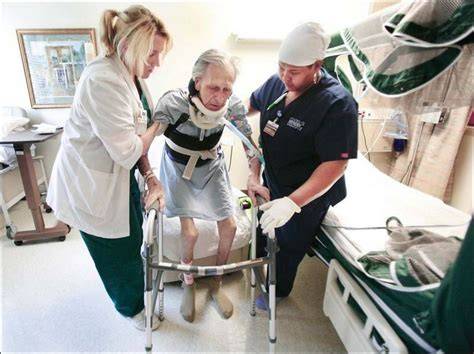
As an LTAC hospital, Houston Methodist Continuing Care Hospital features specialty facilities dedicated to serving patients with needs such as the following: Intensive Physical Therapy Respiratory Therapy Treatment for Head Trauma Microarrays.
- Intensive Physical Therapy
- Respiratory Therapy
- Treatment for Head Trauma
- Microarrays
Houston Methodist Continuing Care Hospital
Houston Methodist Continuing Care Hospital is the first specialty hospital in the Houston Methodist family. Houston Methodist Continuing Care Hospital proudly serves the Katy and West Houston communities as a fully accredited, specialty hospital focused on the needs of patients requiring long-term acute care.
Its specialty-hospital setting is intended for patients who need daily care from a dedicated medical team for a longer period before they are ready to return home. The focus on long-term acute care distinguishes this type of facility from a general hospital and places extended medical management, rehabilitation, and recovery support at the center of treatment.
Services and recovery needs
Continuing-care services can support patients during different stages of recovery from serious medical conditions. The services described for Methodist continuing care include physical rehabilitation, respiratory treatment, care for head trauma, wound care, hyperbaric treatment, inpatient rehabilitation, long-term acute care, emergency services, laboratory services, radiology, and behavioral health and addiction recovery.
Physical and respiratory therapy
Intensive Physical Therapy is one of the specialty services identified for Houston Methodist Continuing Care Hospital. Respiratory Therapy is also available for patients whose recovery requires ongoing attention to breathing-related medical needs.
These services are especially relevant when a patient needs structured treatment over an extended period rather than a brief episode of outpatient care. The continuing-care setting allows these needs to be addressed alongside ongoing medical supervision.
Head-trauma treatment
Treatment for Head Trauma is among the specialty needs served by Houston Methodist Continuing Care Hospital. Patients recovering from head trauma may require continued medical care and rehabilitation before they are able to return home.
Wound care and hyperbaric treatment
Methodist Richardson Wound Care and Hyperbaric Center is located in the medical office building on the campus of Methodist Richardson Campus for Continuing Care. The Wound Care and Hyperbaric Center is located at 403 W. Campbell, Suite 310, Richardson, Texas 75080.
Methodist Richardson Campus for Continuing Care
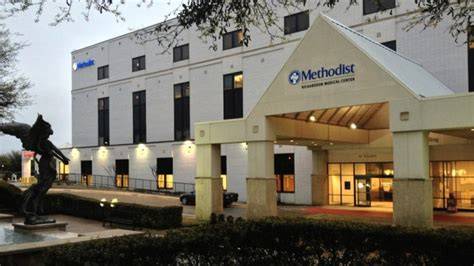
To better reflect the services available at the Campbell Road facility, its name has changed to Methodist Richardson Campus for Continuing Care. The campus brings together hospital-based, emergency, specialty, behavioral health, rehabilitation, and long-term acute care services in Richardson, Texas.
Methodist Richardson Campus for Continuing Care offers:
- Two medical plazas and physician offices
- A full-service emergency department
- Ancillary services, such as laboratory and radiology, to support emergency services
- A behavioral health and addiction recovery unit
- Methodist Richardson Wound Care and Hyperbaric Center
- Older adult behavioral health unit
- Inpatient rehabilitation and long term acute care, offered by Vibra Hospital of Richardson, creating a space for you and your loved ones to fully recover from illness or injury close to home.
Behavioral health and addiction recovery
Methodist Richardson Campus for Continuing Care includes a behavioral health and addiction recovery unit. The campus also includes an older adult behavioral health unit.
These services provide specialized settings for behavioral health needs and addiction recovery within a broader medical campus that also offers emergency, rehabilitation, wound care, and long-term acute care services.
Emergency, laboratory, and radiology services
The Richardson campus offers a full-service emergency department. Ancillary services, such as laboratory and radiology, support emergency services.
The presence of these services allows emergency evaluation and diagnostic support to be provided on the same campus as other continuing-care resources. This is relevant for patients and families seeking access to medical services, rehabilitation, behavioral health care, or extended recovery close to home.
Inpatient rehabilitation and long-term acute care
Inpatient rehabilitation and long term acute care, offered by Vibra Hospital of Richardson, creating a space for you and your loved ones to fully recover from illness or injury close to home.
Inpatient rehabilitation and long-term acute care address different recovery needs within an extended-care environment. The appropriate setting depends on the patient’s condition, medical complexity, rehabilitation requirements, and ability to participate in recovery activities.
How hospital quality ratings are evaluated
To help patients decide where to receive care, U.S. News generates hospital rankings by evaluating data on nearly 5,000 hospitals. To be nationally ranked in a specialty, a hospital must excel in caring for the sickest, most medically complex patients.
U.S. News Best Hospitals are divided into two types of evaluations: 14 specialty rankings (11 for Children’s Hospitals) and 24 procedures and conditions including maternity care. The specialty rankings are for patients looking for a hospital that excels in treating more serious cases.
Specialty rankings
Hospitals are ranked from 1 to 50 in each of 11 data-driven specialties. In three data-driven specialties, Cancer, Cardiology, Heart & Vascular Surgery, and Orthopedics, the next 50 highest scoring hospitals are recognized as High Performing in that specialty.
In Rehabilitation, the next 250 highest scoring hospitals are recognized as High Performing. In the other seven data-driven specialties, hospitals not in the top 50 but in the top 10% of all hospitals evaluated are rated “high performing”.
| Evaluation area | Recognition described |
|---|---|
| 11 data-driven specialties | Hospitals are ranked from 1 to 50 |
| Cancer, Cardiology, Heart & Vascular Surgery, and Orthopedics | The next 50 highest scoring hospitals are recognized as High Performing |
| Rehabilitation | The next 250 highest scoring hospitals are recognized as High Performing |
| Other seven data-driven specialties | Hospitals in the top 10% of all hospitals evaluated are rated “high performing” |
Data used in the rankings
Rankings in 11 of the specialties rely largely on objective, publicly available data, such as Medicare and Medicare Advantage claims, and focus on patient outcomes, such as survival rate, readmission rates and if patients were able to return home rather than needing additional care.
The remaining three specialties, Ophthalmology, Psychiatry, and Rheumatology, rankings are determined by where physicians in those fields have said they would refer their sickest patients. The data for Best Children’s Hospitals was collected via an extensive hospital data submission survey.
Procedures and conditions ratings
The 24 Procedures and Conditions ratings classify hospitals into one of three performance tiers: ‘High Performing,’ ‘As Expected’ or ‘Evaluated’.
We analyzed data from multiple sources, including Medicare and Medicare Advantage claims, to assess the hospital's risk-adjusted outcomes, such as 30-day survival, 30-day readmission and length of stay. These measure how well the hospital performed at the time of care and its ability to prevent an unplanned repeat visit to the hospital.
We also factored in variables linked to quality of care, including the number of patients treated, patient experience, nurse communication, and participation in public data registries.
| Rating or measure | What it addresses |
|---|---|
| High Performing | One of three performance tiers for procedures and conditions |
| As Expected | One of three performance tiers for procedures and conditions |
| Evaluated | One of three performance tiers for procedures and conditions |
| 30-day survival | A risk-adjusted outcome used in evaluation |
| 30-day readmission | A measure related to unplanned repeat hospital visits |
| Length of stay | A risk-adjusted outcome used in evaluation |
Honor Roll and regional recognition
To determine the U.S. News Honor Roll, we used both rankings and ratings to identify the 20 top-performing hospitals nationally (10 for Children’s Hospitals). We also recognized about 500 facilities that provide top care in their states, cities and regions as Best Regional Hospitals based on their performance in 38 different service lines.
Understanding continuing-care hospital selection
Quality rankings and ratings can provide information for patients deciding where to receive care, particularly when treatment involves serious or medically complex conditions. Rankings may consider outcomes such as survival, readmission, length of stay, patient experience, nurse communication, and whether patients were able to return home rather than needing additional care.
Because continuing care covers several types of treatment, patients may also consider whether a facility provides the specific service required for the patient’s condition. The relevant services described for Methodist continuing care include long-term acute care, intensive physical therapy, respiratory therapy, head-trauma treatment, wound care, hyperbaric treatment, inpatient rehabilitation, behavioral health, addiction recovery, emergency care, laboratory services, and radiology.
Transitional Care: Long-Term Acute Care
Location and campus information
Methodist Richardson Campus for Continuing Care is located at 401 W Campbell Rd, Richardson, TX 75080. The Wound Care and Hyperbaric Center is located in the medical office building on the campus at 403 W. Campbell, Suite 310, Richardson, Texas 75080.
The facility’s information includes the Methodist Richardson Campus for Continuing Care name and the Campbell Road location in Richardson, Texas. The campus is intended to provide continuing-care resources close to home for patients and their loved ones.
tags: #methodist #continuing #care